Window renovations are a significant undertaking that can dramatically improve the aesthetics and energy efficiency of your home. Making informed decisions during this process is essential to ensure that the final result meets your expectations. Asking the right questions to your window company is a crucial step in this journey. By addressing important aspects such as window styles, materials, and installation methods, you can avoid potential pitfalls. This article provides a comprehensive guide on the essential questions you should ask before embarking on a window renovation project.
Section 1: What Are the Different Window Styles Available?
Subsection 1.1: Comparing Popular Window Styles
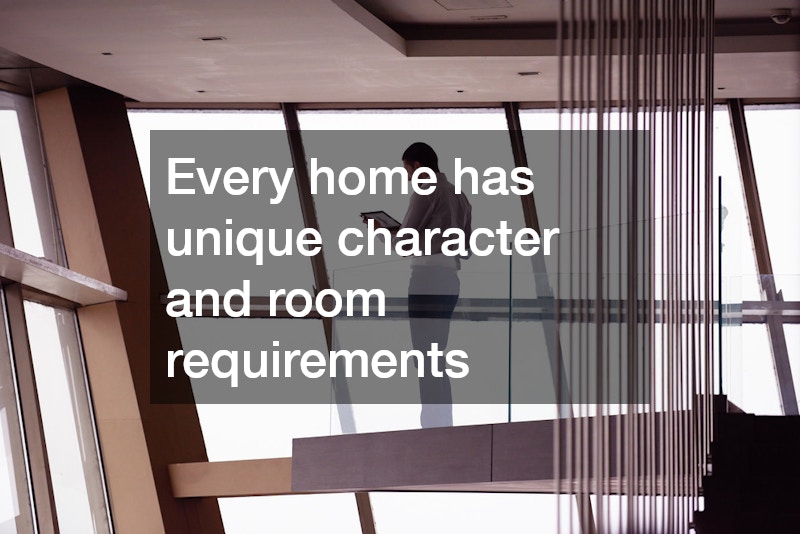
Every home has unique character and room requirements, making the choice of window style particularly important. Double-hung windows are a versatile option that offers easy cleaning and ventilation, suitable for classic and modern homes alike. Casement windows, opening outward, often serve as an ideal choice for providing unobstructed views and enhanced air circulation. Sliders, running along horizontal tracks, bring a sleek, contemporary look and are easy to use in children’s rooms. Understanding the differences is crucial for selecting a window style that complements your home and meets your needs.
While aesthetics play a significant role, functionality and room placement have equal importance in selecting window styles. The orientation of a room and the climate of the location often dictate the most appropriate style. For instance, in areas prone to strong winds, casements could be more practical due to their secure locking mechanisms. Sliders are excellent choices for spaces with restricted exterior clearance, such as patios or balconies. Each style comes with specific advantages that align with different architectural needs and homeowner preferences.
Given the variety of options, consulting with window professionals can provide valuable insights tailored to your situation. Expect your window company to provide comparisons between these styles and help you visualize the perfect match for your home. They can guide you through the nuances of each style, ensuring you select an option that harmonizes with your home’s look while fulfilling practical necessities. Seamless integration with your existing décor is possible, further enhancing your home’s value and comfort. Prior proper consultation prevents style mismatches and enhances long-term satisfaction with your windows.
Subsection 1.2: Energy Efficiency of Each Style
Energy efficiency is a critical factor when selecting new windows for your home, significantly influencing your heating and cooling bills. Different window styles offer varied levels of insulation and energy performance. For instance, casement windows tend to provide a tighter seal, reducing energy loss more efficiently than slider windows. Double-hung windows have evolved to include high-efficiency features, markedly reducing air infiltration. Evaluating energy ratings and performance data with your window provider ensures that you select an energy-efficient style to lower your energy footprint.
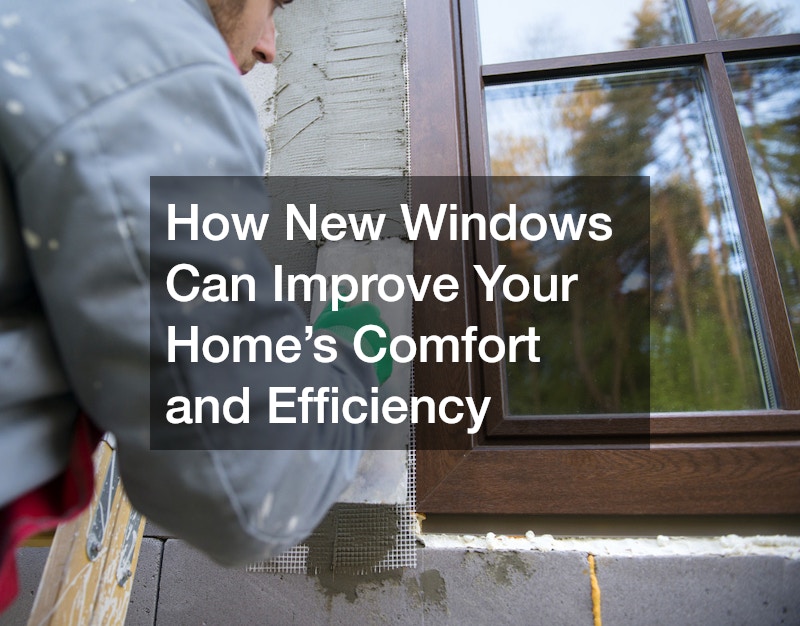
The integration of energy-efficient windows can be significantly advantageous in both summer and winter months. Proper installation and high-quality glazing are essential to maximize energy savings. By asking your window company about double or triple glazing options, you can enhance thermal and noise insulation, creating a comfortable indoor environment. Additionally, inquire about Low-E coatings, which reflect heat but do not obstruct visible light, enhancing efficiency. These features collectively contribute to substantial energy savings over time.
Section 2: What Materials Are Best for Different Climates?
Subsection 2.1: Wood, Vinyl, and Aluminum
One of the most crucial decisions in window selection is choosing the right material based on regional climate. Wood windows offer a classic appearance and excellent insulation but require more maintenance to withstand moisture and pests, making them suitable for moderate, dry climates. Vinyl windows are popular for their affordability and minimal maintenance needs, performing well in various climates by resisting humidity and potential warping. On the other hand, aluminum windows are durable and provide a modern look but are less energy-efficient due to higher conductivity. Homeowners should weigh these factors and leverage materials that offer balanced advantages specific to their location.
Vinyl is often favored in cost-effective projects due to its robustness against the elements and minimal aging signs. Despite this, some purists appreciate the traditional appeal of wood, which requires continuous upkeep to sustain its beauty and resistance. Aluminum caters to a design-forward mindset, often chosen for sleek, industrial aesthetics in coastal or high-wind areas due to its outstanding durability. Each material encompasses distinct benefits and challenges, reflecting the environmental balance required for enduring satisfaction and functionality. Consultation with window specialists provides localized insights into material performance, making decisions more aligned with regional climate fluctuations.
Subsection 2.2: Climate-Specific Considerations
Your local climate greatly affects the performance of materials, and planning for these climatic conditions is essential for lasting window solutions. In warmer climates, window materials like vinyl and aluminum may benefit from heat-resistant coatings, while wooden frames require protective finishes to prevent damage from sunlight and moisture. Cold regions necessitate robust insulation properties, which typically favor wood and insulated vinyl frames with thermal breaks. Product innovations like energy-efficient glazing are available to enhance performance across the board, offering more uniform solutions regardless of seasonal extremes. Understanding these climate-specific challenges is vital for ensuring optimal material function throughout all seasons.
The geographical orientation and terrain of your home introduce further considerations tied to window material selection. For homes in high-altitude or exposed areas, windows capable of withstanding strong winds and potential storms are vital. Coastal homes may require material considerations that account for salt air and corrosion, with certain finishes guarding against premature aging and structural weakening. Additionally, selecting proper glazing plays a crucial role in maximizing material efficiency, often recommended by the window company based on regional best practices. Therefore, asking for expert assessments of environmental exposures ensures proactive material decisions are integrated into planning.
Window renovations are transformative projects that require careful consideration and planning. By asking the right questions regarding window styles, materials, and installation processes, homeowners can make informed decisions that fulfill their functional and aesthetic desires. The insights provided by reputable window companies can guide this journey, ensuring project success and satisfaction. Through understanding the nuances of styles and materials, alongside expert installation guidance, the final result is a beautiful, energy-efficient upgrade to your home. Ultimately, being well-informed equips you to make choices that enhance your home’s comfort and value for years to come.