
The concept of home is dynamic. Over time, the structures we inhabit must evolve to match our changing lifestyles, aesthetic preferences, and functional needs. Remaking your home is not merely a cosmetic endeavor; it is a comprehensive strategy to enhance your daily living experience, secure your property’s structural integrity, and significantly boost its long-term market value. A total home transformation allows you to look at your property as a blank canvas, giving you the opportunity to correct architectural oversight, update aging infrastructure, and inject your personal identity into every square foot.
However, a project of this scale requires meticulous planning, a realistic understanding of construction phases, and a clear budgeting strategy. Attempting to tackle every project simultaneously often leads to decision fatigue and logistical chaos. By breaking the transformation down into logical phases—starting with crucial interior infrastructure, moving through high-impact room remodels, fortifying the protective shell, and finishing with hardscaping and maintenance—you can manage the process with minimal stress and maximum precision.
Structural and Safety Upgrades First
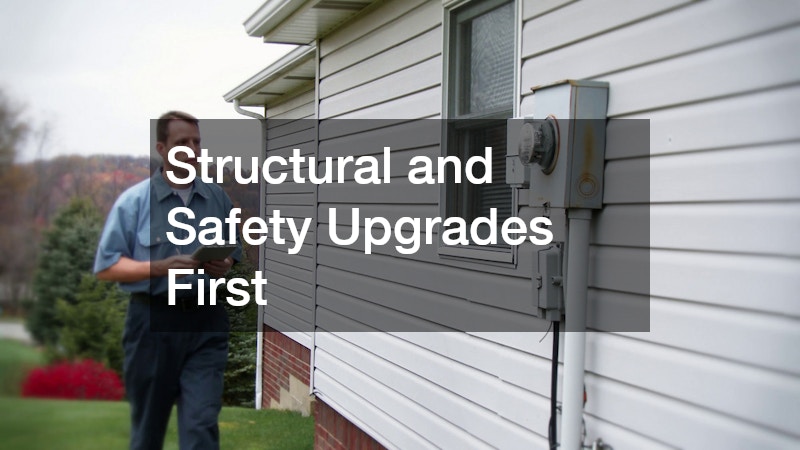
Before you can dive into selecting paint colors or hanging light fixtures, you must address the hidden systems that power your daily life. The infrastructure behind your drywall dictates how safely and efficiently your home operates. When undertaking a major remodel, a comprehensive audit of your electrical panel, wiring, and outlets is paramount. Older homes often run on outdated electrical systems that were never designed to handle the simultaneous load of modern refrigerators, double ovens, high-end entertainment systems, and home automation devices.
Upgrading your electrical infrastructure is a foundational step that protects your home from fire hazards and ensures a consistent flow of power without tripped breakers. Engaging certified professionals to provide comprehensive electrical services allows you to safely map out your power needs before you close up walls with new finishes.
Consider the following action items when updating your home’s infrastructure:
- Upgrade to a 200-Amp Panel: Modern households require significant power; updating your service panel ensures you can handle heavy appliances and future additions like electric vehicle chargers.
- Install Dedicated Circuits: High-draw appliances such as microwaves, induction cooktops, and sub-zero refrigerators should each have their own dedicated circuit to prevent overloads.
- Incorporate Smart Home Infrastructure: Run low-voltage wiring and cat-6 cables through open walls to support a robust mesh Wi-Fi network, smart security cameras, and automated lighting systems.
- Prioritize Safety Placement: Ensure Ground Fault Circuit Interrupters (GFCIs) are installed in all wet areas, including kitchens, bathrooms, and laundry rooms, to comply with modern safety codes.
Crafting a Chef’s Kitchen and Modern Gathering Hub
The kitchen has evolved from an isolated room for meal preparation into the undisputed command center of the modern home. It is where families gather, guests linger, and daily life unfolds. When redesigning this space, your primary focus should be optimizing the working triangle—the path between the refrigerator, the sink, and the cooking surface. A poorly designed layout can make cooking feel like a chore, while an optimized space turns meal preparation into a fluid, enjoyable experience.
Because a kitchen renovation involves complex plumbing, structural alterations, and precise carpentry, hiring a specialized kitchen remodeling service is the most effective way to guarantee that your investment pays off. Professional design-build firms help you maximize storage with custom cabinetry, integrate seamless layouts, and manage the sub-contractors required to execute the vision perfectly.
- Maximize Vertical Storage: Extend your cabinetry all the way to the ceiling to eliminate dust-collecting gaps and gain valuable storage space for seasonal items.
- Incorporate a Multi-Functional Island: Design an island that features deep drawers for pots, a built-in trash recycling center, and comfortable bar seating for casual dining.
- Layer Your Lighting: Combine ambient recessed ceiling lights with task lighting under cabinets and decorative pendant lights over the island to create depth and warmth.
The Countertop Conundrum

A crucial decision in your interior remodel is selecting your countertop material. Countertops endure daily impacts, spills, and heat, making durability as important as visual appeal. Natural stone remains the gold standard for luxury and longevity, with distinct varieties offering different performance characteristics.
Marble countertops are perfect for homeowners seeking a classic style with dramatic veining and a luminous surface, adding elegance to baking stations and bathrooms. Being softer and porous, they require regular sealing and develop a natural patina over time due to acids.
Granite countertops provide rugged durability with rich, organic patterns, offering a hard, scratch-resistant surface. This stone, formed from cooling magma, handles high heat and heavy use well. It is resistant to staining with proper maintenance, ideal for family kitchens where intensive cooking occurs daily.
To keep your natural stone surfaces pristine, implement these specific care tips:
- Apply Penetrating Sealers Annually: Protect your stone from liquid penetration by applying a high-quality impregnating sealer at least once a year.
- Use Ph-Neutral Cleaners: Avoid harsh chemicals, vinegar, or citrus-based cleaners, which can dull the polish and etch the surface of natural stone.
- Utilize Trivets and Cutting Boards: While stone is tough, using protective barriers prevents thermal shock and protects your knives from dulling against the hard surface.
Protecting Your Investment from the Top Down
An exquisite interior means very little if your home fails to protect it from rain, wind, and snow. Your roof is the primary defense system for your property. Overlooking its condition during a whole-home remodel can lead to catastrophic consequences, including ruined insulation, mold outbreaks, and compromised structural timber. Spotting early signs of roof degradation—such as curling shingles, missing granules in your downspouts, or water stains in the attic—allows you to address vulnerabilities before they become emergencies.
When it’s time to replace an aging roof, partnering with experienced residential roofers ensures the job is done according to regional building codes and specifications. Professionals do not just nail down new shingles; they evaluate the entire roofing system, including decking, underlayment, ice and water shields, and ventilation systems. Proper ventilation is critical; it regulates attic temperatures, prevents ice dams in winter, and reduces cooling costs in summer.
- Choose the Right Materials: Compare standard architectural asphalt shingles, which offer excellent cost-to-performance ratios, against premium metal or slate roofs that boast lifespans exceeding fifty years.
- Insist on Quality Underlayment: Ensure your contractor installs a synthetic underlayment rather than traditional felt paper for superior water resistance and tear strength.
- Check the Flashing: Make sure all valleys, chimneys, and roof-to-wall intersections are lined with durable aluminum or copper flashing to prevent leaks in high-risk zones.
Water Management and Foundation Protection
A roof can only do its job effectively if it works in tandem with a robust water management system. When rain sheets off your roof, it must be collected and funneled away from your home’s structure. Without functional gutters, water falls directly next to your foundation, saturating the soil and creating hydrostatic pressure that can crack concrete walls, flood basements, and cause devastating structural settling.
Investing in professional gutter services is a critical component of your exterior renovation. Professionals can calculate the specific square footage and pitch of your roof to determine whether you require standard five-inch channels or high-capacity six-inch seamless commercial gutters. Seamless aluminum gutters are highly recommended because they eliminate the joints where leaks and debris blockages typically occur.
- Install Leaf Guards: High-quality gutter guards prevent leaves, twigs, and pine needles from clogging your system, drastically reducing the need for dangerous ladder work.
- Extend Your Downspouts: Ensure downspouts discharge water at least six to ten feet away from your foundation wall, utilizing underground bubbler pots or decorative splash blocks if necessary.
- Maintain Correct Pitch: Gutters must slope precisely a quarter-inch for every ten feet of run toward the downspout to ensure water flows continuously and does not pool in the channels.
Transforming the Driveway and Approach

Your driveway is more than just a place to park your vehicles; it is a major visual element that sets the tone for your entire property. A cracked, stained, or uneven driveway immediately detracts from a beautifully renovated home facade. Conversely, a smooth, professionally engineered approach creates a sense of arrival and increases curb appeal instantly.
When planning a driveway overhaul, you must look past the surface layer. The longevity of any pavement depends entirely on subgrade preparation. If the underlying soil is not excavated to the correct depth, graded for proper drainage, and compacted thoroughly with a heavy stone base, the new surface will quickly crack and sag under the weight of everyday vehicles.
For a durable, flexible, and cost-effective surface, working with experienced asphalt contractors is key. Asphalt provides a sleek, dark finish that contrasts beautifully with green lawns and light-colored home exteriors. Because it is flexible, it can expand and contract during extreme temperature swings without breaking apart, making it an excellent choice for regions that experience harsh winters.
If you prefer a highly customized look, look into diverse paving services that specialize in interlocking concrete pavers, stamped concrete, or natural cobblestone. These options allow you to introduce rich textures, geometric patterns, and custom color palettes that complement your home’s architectural style.
- Prioritize Positive Drainage: Ensure your driveway is graded to slope away from your garage and home at a minimum slope of one percent to avoid pooling water.
- Sealcoat Your Investment: For asphalt driveways, apply a high-quality coal-tar or asphalt emulsion sealer one year after installation, and then every three to five years to protect against UV rays and chemical spills.
- Install Rigid Edge Restraints: If utilizing pavers, ensure heavy-duty plastic or concrete edging is secured along the perimeter to keep the stones from shifting outward over time.
Designing Seamless Indoor-Outdoor Living Spaces
Modern home design treats the backyard as a natural extension of the interior living room. Blurring the line between inside and outside allows you to maximize your livable footprint and create a private oasis for relaxation and entertainment. A well-designed outdoor living area features distinct zones for cooking, dining, and lounging, all tied together by cohesive materials and architectural continuity.
To bring this vision to life, collaborating with a skilled patio builder is essential. A professional designer will analyze your yard’s topography, sun exposure, and wind patterns to position your outdoor living space optimally. They will help you select materials—such as natural flagstone, stamped concrete, or premium composite decking—that match the interior flooring of your home, creating a visual transition when your sliding glass or accordion doors are thrown wide open.
- Incorporate Vertical Features: Use stone retaining walls, pergolas, and built-in planters to create a sense of enclosure and privacy, making the outdoor space feel like a true room.
- Plan for Utilities Early: Run gas lines for outdoor kitchens, water lines for sinks, and low-voltage electrical conduits for landscape lighting before any stone or concrete is laid down.
- Select Weather-Resistant Furnishings: Invest in deep-seating furniture with marine-grade cushions and solution-dyed acrylic fabrics that resist fading and mildew.
Restoring and Preserving Exterior Surfaces

Once the heavy construction is complete, your home transformation requires a final restorative touch to bind the old elements with the new. Over the years, exterior surfaces accumulate layers of atmospheric pollution, mold, mildew, tree sap, and deeply embedded dirt. This buildup not only dulls the appearance of your siding, brick, and concrete walkways, but it can also prematurely degrade building materials by trapping moisture against them.
Utilizing a professional power washing service is the safest and most efficient way to strip away years of grime and restore your home’s original vibrance. It is crucial to understand that different materials require entirely different pressure levels. While hard concrete driveways can withstand high-pressure blasting, delicate wood siding, stucco, and painted trim require a soft-wash technique. Soft-washing uses specialized, eco-friendly chemical solutions to kill organic growth at its roots combined with low-pressure rinsing to avoid gouging wood or stripping away protective coatings.
- Prep Before Washing: Ensure all windows are tightly sealed, outdoor electrical outlets are covered, and delicate landscaping plants are thoroughly rinsed with fresh water before and after chemical applications.
- Wash from the Bottom Up: When cleaning vertical siding, apply cleaning solutions from the bottom up to prevent streaking, and rinse from the top down for a flawless finish.
- Maintain a Consistent Schedule: Schedule a professional exterior wash once every spring to clear away winter grime and prevent mold spores from taking hold on your property.
Remaking a house is a journey that demands a strategic blend of creative vision and disciplined execution. By addressing your property as a holistic system—where structural integrity, functional layout, and aesthetic harmony are deeply intertwined—you can create a living space that serves your family perfectly for decades. The decisions you make during this process, from upgrading hidden infrastructure to selecting premium finishes and establishing strong water management, form the bedrock of your home’s longevity.
As you prepare to embark on your own home transformation, remember that preparation is your greatest asset. Take the time to audit your property, establish a clear phase-by-phase timeline, and build a detailed budget that includes a buffer for unexpected discoveries. By approaching your remodel with patience, clear priorities, and a commitment to quality materials, you can confidently turn your current house into the beautiful, resilient, and highly functional home of your dreams.