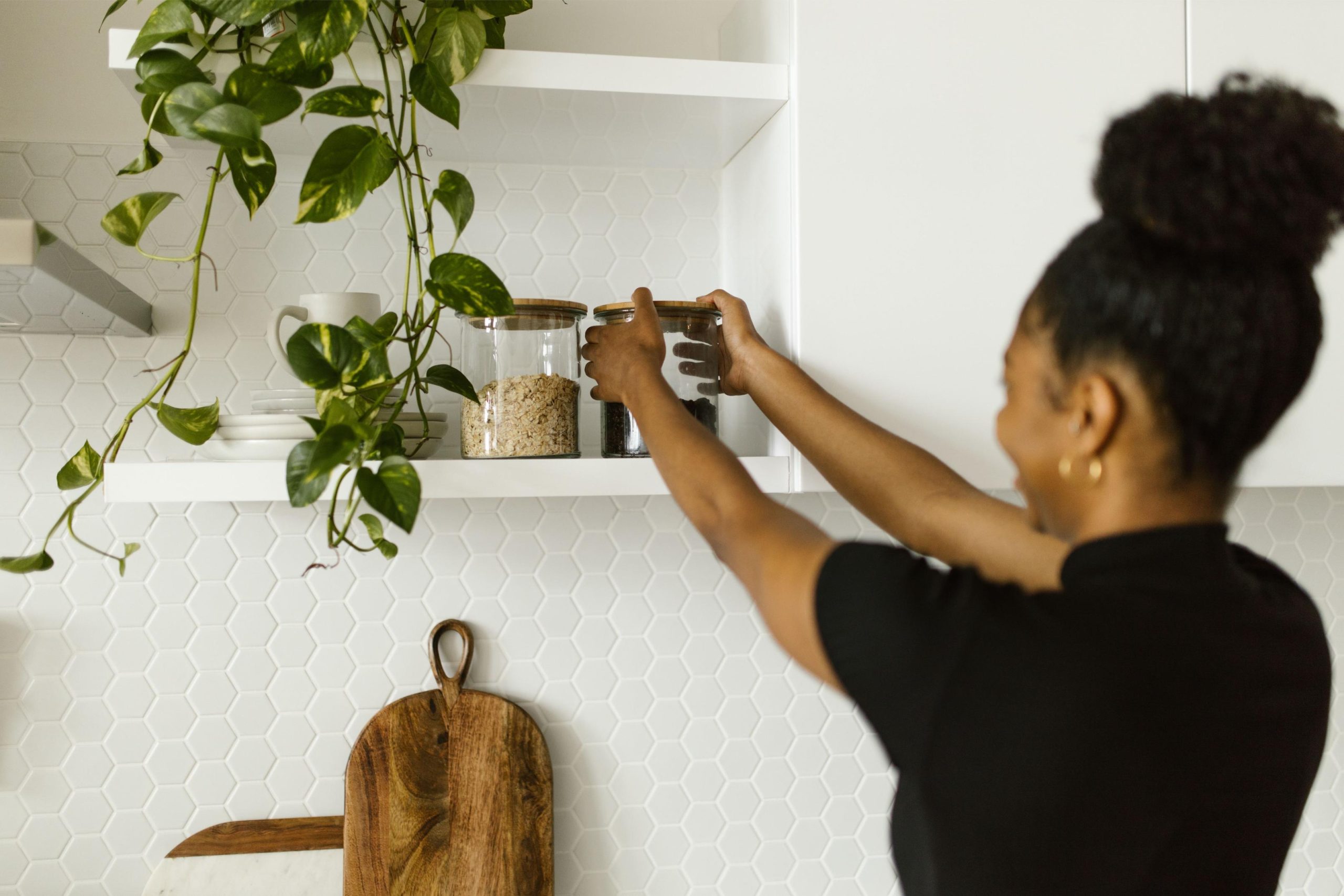
Key Takeaways
- Declutter cabinets, drawers, counters, and pantry shelves before adding new organizers or storage products.
- Create kitchen zones based on activities such as cooking, food preparation, cleaning, baking, and coffee making.
- Keep countertops mostly clear and group frequently used items together to create a cleaner appearance.
- Use shelf risers, dividers, pull-out baskets, and vertical storage to make cabinets and drawers more efficient.
- Organize pantry foods and storage containers so everything is easy to see, access, and return to its proper place.
- Create a consistent visual style with coordinated materials, containers, lighting, and carefully arranged open shelving.
- Maintain organization with a simple daily reset and occasional reviews of cabinets, drawers, pantry items, and seasonal supplies.
A well-organized kitchen can make cooking, cleaning, and everyday routines much easier. It can also make the entire room look more polished. When counters are crowded, cabinets are difficult to use, and everyday items have no clear place, even a beautiful kitchen can feel messy.
The good news is that you do not need a major renovation to create a cleaner and more stylish space. Simple changes to storage, placement, and daily habits can make a noticeable difference.
Good kitchen organization starts with function. Items should be stored where they are easy to reach when needed. At the same time, thoughtful containers, clear surfaces, and coordinated finishes can help the room feel more intentional.
The goal is not to hide every object or create a kitchen that looks untouched. A kitchen should still be comfortable and practical. Instead, focus on reducing unnecessary clutter and giving the items you use a logical home.
Here are practical ways to organize your kitchen while creating a clean, stylish look.
1. Clear Everything You Do Not Need
Before buying organizers or rearranging cabinets, reduce the amount of stuff you need to store.
Start with one area at a time. Trying to empty every cabinet and drawer at once can quickly become overwhelming. You might begin with the pantry, then move to cooking tools, food storage containers, dishes, and small appliances.
Remove items that are broken, expired, heavily damaged, or no longer useful. Look for duplicates as well. You probably do not need several versions of the same tool if you consistently use only one.
For items in good condition that you no longer need, consider donating them.
As you sort, ask simple questions. When did you last use the item? Would you buy it again today? Does it deserve the storage space it takes up?
Decluttering first makes every other organization step easier. You can see how much storage you actually need instead of trying to create room for things that should have been removed.
2. Create Zones Based on Kitchen Tasks
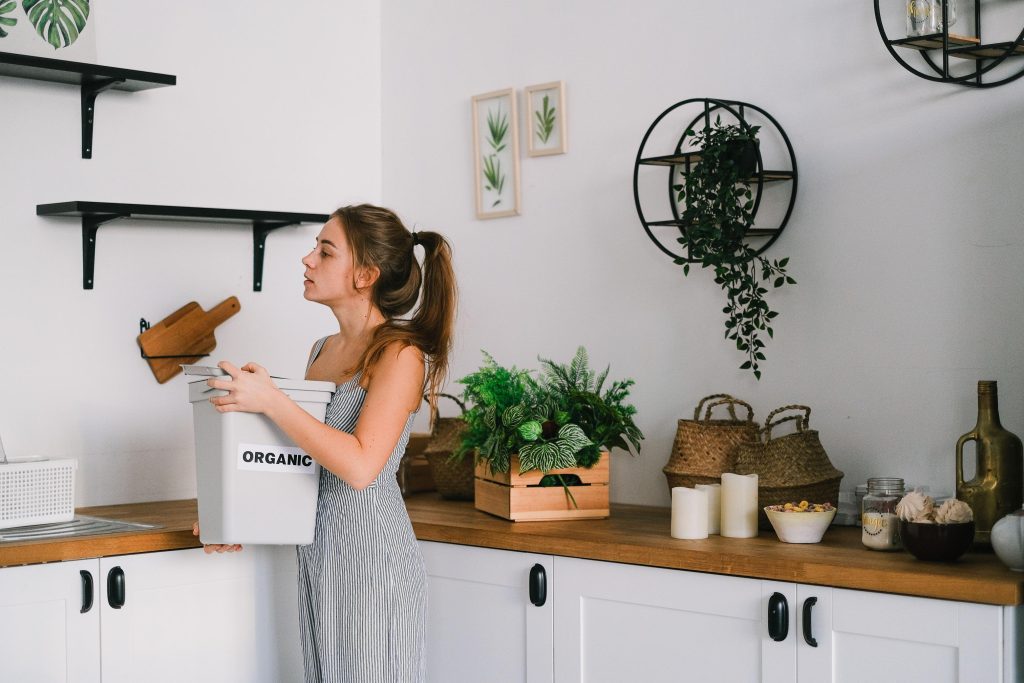
Organizing a kitchen by activity can make everyday routines more efficient.
Think about the main tasks you perform in the room. Common zones include food preparation, cooking, baking, cleaning, coffee making, and food storage.
Keep items close to the areas where they are used.
Pots, pans, cooking utensils, and oven mitts make sense near the stove. Knives, cutting boards, and mixing bowls can stay near the main preparation surface. Dish soap, sponges, and cleaning supplies are usually most convenient near the sink.
Coffee cups, filters, and coffee-making supplies can be stored near the coffee maker rather than scattered across several cabinets.
This approach reduces unnecessary movement around the room.
It can also make cleanup easier because everyone knows where items belong. Instead of placing things wherever there is an empty space, each category has a logical location based on how the kitchen functions.
3. Keep Countertops as Clear as Possible
Countertops have a major effect on how organized a kitchen looks.
Even if your cabinets are perfectly arranged, crowded counters can make the entire room feel cluttered.
Start by removing items that do not need to stay out every day. Small appliances used only occasionally can be stored in a cabinet, pantry, or appliance garage if space allows.
Keep frequently used items accessible, but group them intentionally.
For example, cooking oil, salt, and a few commonly used seasonings could sit together on a small tray near the stove. Dish soap and hand soap can be placed in matching or coordinating dispensers near the sink.
Decorative objects should be limited. One plant, bowl, cutting board, or vase can add character without taking over valuable work space.
Leaving open areas of countertop gives you more room to prepare meals while creating the visual calm associated with a clean, stylish kitchen.
4. Use Cabinet Space More Efficiently
Cabinets often have more usable space than people realize.
Shelf risers can create an extra level for dishes, bowls, or pantry items. Stackable bins can make deep shelves easier to manage, while turntables can help you reach bottles and jars stored in corners.
Pull-out baskets can make lower cabinets more accessible.
Before purchasing organizers, measure the cabinet carefully. Storage products that do not fit correctly may waste more space than they save.
Group similar items together and place the things you use most often at easy-to-reach heights.
Less frequently used serving dishes or seasonal pieces can go on higher shelves.
During a larger kitchen makeover process, cabinet organization should be considered alongside appearance. Attractive cabinet doors are useful, but the interior layout also needs to support the way you cook, clean, and store food.
A beautiful kitchen becomes much easier to maintain when the hidden storage works efficiently.
5. Give Drawers a Clear Purpose
Drawers can quickly become cluttered when unrelated items are mixed together.
Assign each drawer a purpose whenever possible.
One drawer might hold everyday utensils, another cooking tools, and another food storage supplies such as foil and reusable bags.
Use dividers to separate categories. Adjustable dividers can be useful because they allow you to change the layout as your needs change.
Avoid filling every inch simply because space is available. A slightly open drawer is easier to use than one packed so tightly that items become difficult to remove.
Deep drawers are especially useful for pots, pans, mixing bowls, or dishes.
If you have a traditional lower cabinet that is difficult to reach, adding internal drawers or pull-out shelves may improve accessibility.
Once each drawer has a clear purpose, putting things away becomes faster. This helps prevent clutter from slowly building up again.
6. Make the Pantry Easy to See
A well-organized pantry can save time and reduce food waste.
Start by grouping similar foods. Keep breakfast items together, baking supplies in another area, snacks in one section, and canned foods in another.
Clear bins can help contain smaller packages without hiding what is inside. Labels may also help household members return items to the correct location.
You do not need to transfer every ingredient into matching containers. While uniform containers can look attractive, they also require maintenance and may not work for every household.
Use them where they provide a practical benefit, such as for frequently used dry ingredients.
Keep older food toward the front so it gets used first.
Avoid buying excessive amounts simply because something is on sale. An overfilled pantry makes it harder to see what you already have.
Leave enough open space to move items around and check expiration dates easily.
7. Make Open Shelving Look Intentional
Open shelves can make a kitchen feel light and stylish, but they require careful organization.
Use them for items that are both useful and visually appealing. Everyday dishes, glasses, cookbooks, serving bowls, and a few decorative objects can work well.
Avoid turning open shelves into storage for every miscellaneous kitchen item.
Repeating colors, materials, or shapes can create a more coordinated look. For example, a row of white dishes mixed with wood accents and clear glassware may feel more intentional than a collection of unrelated objects.
Leave some empty space between groups of items.
Open shelving also requires regular cleaning because dishes and surfaces can collect dust and cooking residue.
If maintaining open shelves feels unrealistic, closed cabinets may be a better choice. Good design should work with your actual habits rather than creating additional chores simply for appearance.
8. Organize According to Seasonal Needs
Kitchen routines can change throughout the year.
During warmer months, you may use pitchers, grilling supplies, reusable water bottles, or outdoor dining items more frequently. Colder seasons may bring out slow cookers, baking equipment, soup pots, and holiday serving dishes.
Instead of keeping every seasonal item in prime storage all year, rotate less frequently used pieces.
This idea can also fit into broader weather-based home planning, where storage and household routines are adjusted for seasonal activities, temperatures, and changing needs.
Keep current-season items within easy reach and move rarely used equipment to higher cabinets, pantry shelves, or another suitable storage area.
Seasonal rotation is especially useful in smaller kitchens where cabinet space is limited.
Before storing an item for several months, make sure it is clean and completely dry.
When the season changes, use the rotation as an opportunity to check whether you still use everything you have stored.
9. Control the Collection of Food Containers
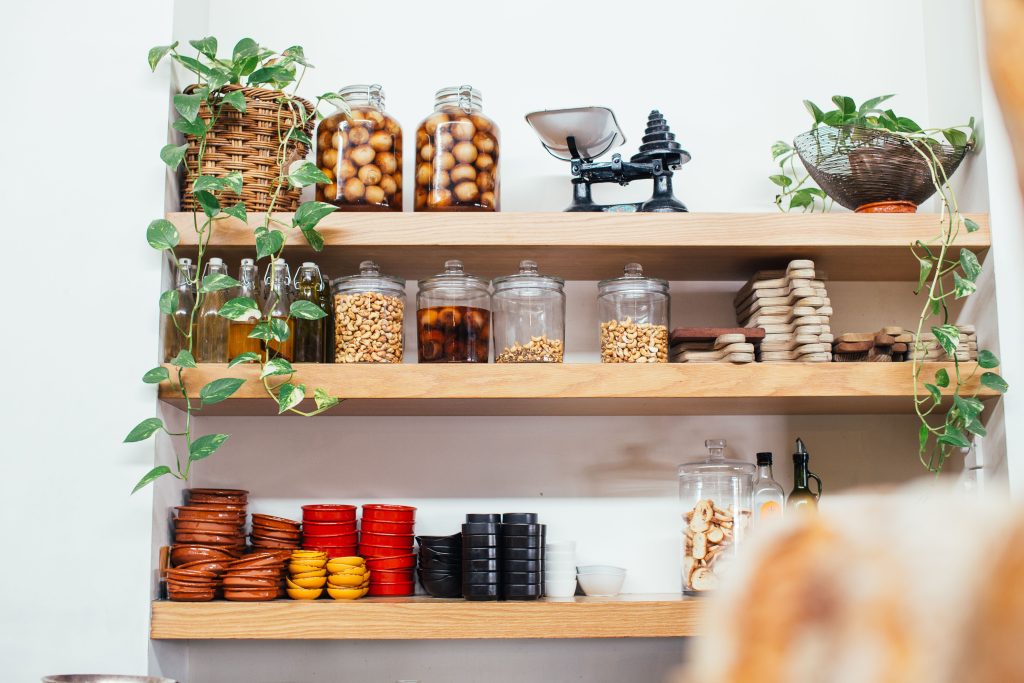
Food storage containers are useful, but they are also one of the most common sources of kitchen clutter.
Start by matching every container with its lid.
Recycle or discard damaged containers according to local guidelines. Consider letting go of containers that no longer have matching lids.
Store containers by shape or size rather than stacking them randomly.
If possible, nest smaller containers inside larger ones. Keep lids upright in a divider or bin so you can quickly find the size you need.
Try to avoid collecting more containers than your household realistically uses.
Using a coordinated set can simplify storage because pieces are more likely to stack neatly. However, replacing perfectly good containers solely for appearance is unnecessary.
The main goal is to make the collection easy to use and put away.
10. Use Vertical and Hidden Storage
When cabinet and counter space is limited, look at areas that are often ignored.
The inside of a cabinet door may hold a small organizer for measuring spoons, wraps, or cleaning supplies. Hooks can provide storage for lightweight tools or towels.
A narrow wall may have room for shelves or a rail system.
Magnetic storage can work for certain items, provided it is installed securely and placed where it will not create a hazard.
Vertical dividers are particularly useful for baking sheets, cutting boards, trays, and pan lids. Instead of stacking these items horizontally, storing them upright can make each piece easier to remove.
Be careful not to cover every available wall or door with storage.
Too many organizers can create visual clutter. Prioritize hidden solutions first, then use visible storage only when it improves both function and appearance.
11. Create a Consistent Visual Style
Organization and decorating work best when they support each other.
You do not need every container, appliance, or accessory to match perfectly. Instead, choose a few repeating elements that create visual consistency.
This might include similar wood tones, metal finishes, container styles, or neutral colors.
For visible storage, simple containers can reduce visual noise caused by colorful packaging. Matching soap dispensers or coordinated canisters may also create a cleaner appearance.
However, avoid buying large sets of decorative organizers before deciding what you actually need to store.
Function should come first.
Lighting can also improve the overall appearance. Under-cabinet lighting may brighten work surfaces, while warm overhead or pendant lighting can make the room feel more welcoming.
A kitchen looks polished when its practical objects appear thoughtfully placed rather than randomly displayed.
12. Build a Simple Daily Reset Routine
The best organization system is one you can maintain.
Instead of waiting until the kitchen becomes extremely messy, spend a few minutes resetting it each day.
Return ingredients to the pantry, put clean dishes away, wipe countertops, and place cooking tools back in their assigned locations.
Clear mail, bags, and unrelated household items from kitchen surfaces before they become permanent clutter.
A quick evening reset can make the room easier to use the next morning.
Weekly maintenance may include checking the refrigerator for old food, wiping cabinet fronts, reorganizing frequently used areas, and restocking basic supplies.
Every few months, review drawers, cabinets, and pantry shelves for items that are no longer needed.
Organization is not something you complete once and never think about again. A good system changes as your household and routines change.
Conclusion
A clean and stylish kitchen does not require expensive cabinets, a large pantry, or perfectly matching containers. Good organization starts by reducing clutter and arranging items according to how you actually use the room.
Create clear zones for cooking, cleaning, food preparation, and storage. Keep countertops relatively open, use cabinets and drawers efficiently, and organize the pantry so food is easy to see.
Small details can improve appearance as well. Repeating materials, limiting visible clutter, organizing open shelves carefully, and choosing attractive storage for items that remain on display can make the kitchen feel more polished.
Most importantly, create systems you can realistically maintain. A kitchen that looks perfect for one day but requires constant effort will quickly become frustrating.
Focus on function first and style second. When every frequently used item has a sensible place and daily cleanup is simple, maintaining an organized kitchen becomes much easier. The result is a space that feels cleaner, works better, and looks welcoming without sacrificing the practical needs of everyday life.