Homeownership comes with ongoing responsibilities, and one of the most influential factors shaping maintenance and renovation priorities is the changing of the seasons. Each season introduces different environmental conditions that affect a home’s structure, systems, and exterior features in distinct ways. Temperature fluctuations, precipitation levels, humidity, wind, and sunlight all place varying forms of stress on residential properties throughout the year.
Understanding how seasonal shifts influence home improvement needs allows homeowners to plan proactively rather than reactively. Instead of waiting for visible damage or system failures, seasonal awareness supports smarter scheduling, better budgeting, and longer-lasting improvements. Many projects are more effective, more affordable, or simply more practical when completed at the right time of year.
This guide explores how spring, summer, fall, and winter each bring their own challenges and opportunities for home improvement. From exterior upgrades to interior system adjustments, seasonal planning plays a key role in maintaining comfort, protecting investments, and preserving property value over time.

Spring: Addressing Winter Wear and Preparing for Growth
Spring represents renewal, but it also exposes the cumulative effects of winter stress. Months of freezing temperatures, snow accumulation, ice expansion, and fluctuating moisture levels can quietly damage materials and systems. When warmer weather returns, those hidden issues often become visible.
For homeowners, spring is a season of assessment. It’s the ideal time to take stock of how well the home endured winter conditions and to identify issues that require prompt attention before they worsen.
Inspecting for Moisture and Structural Issues
Moisture is one of the most persistent threats to residential structures, and spring is when its impact is most evident. Melting snow and early spring rainfall test a home’s drainage systems, foundation integrity, and weatherproofing measures. Basements and crawl spaces are especially vulnerable during this time.
Homeowners should look for water stains on walls, soft spots along baseboards, musty odors, or visible condensation. These indicators often suggest seepage or condensation problems that developed during winter but remained hidden under frozen ground conditions.
In some situations, homeowners discover damage that goes beyond simple surface drying. Lingering moisture trapped within wall cavities or flooring materials may require professional intervention. In these cases, consulting water restoration companies can help address hidden moisture, prevent mold development, and stabilize affected materials before structural integrity is compromised.
Spring inspections should also include checks for foundation cracks, uneven settling, and compromised seals around windows and doors. Early detection allows for targeted repairs that are far less disruptive than addressing advanced deterioration later in the year.
Exterior Repairs and Cleanup
Exterior materials endure significant stress during winter. Siding, trim, masonry, and painted surfaces expand and contract as temperatures fluctuate, often leading to cracks, peeling finishes, or loosened fasteners.
Spring weather creates optimal conditions for repairing these issues. Moderate temperatures allow materials to cure properly, adhesives to bond effectively, and coatings to adhere evenly. Addressing minor exterior repairs during spring can help prevent moisture intrusion during summer storms and extend the lifespan of finishes.
Cleanup is another essential spring task. Winter debris, such as fallen branches, accumulated leaves, and ice-damaged landscaping, can interfere with proper drainage around the home. Clearing these materials improves water flow away from the foundation and helps homeowners spot grading issues that may require correction.
Preparing Outdoor Living Spaces
As daylight increases and temperatures rise, outdoor living areas become a focal point. Decks, patios, porches, and walkways see increased foot traffic, making safety inspections especially important.
Wooden decks may exhibit signs of rot, loose railings, or surface splintering following winter exposure. Composite materials may show fastener movement or shifting supports. Spring is the best time to inspect structural connections, ledger boards, and load-bearing components before regular use resumes.
Some homeowners take this opportunity to refresh or redesign outdoor spaces. Scheduling work with a deck building company during spring allows repairs or enhancements to be completed ahead of summer gatherings, improving safety and usability when demand is highest.
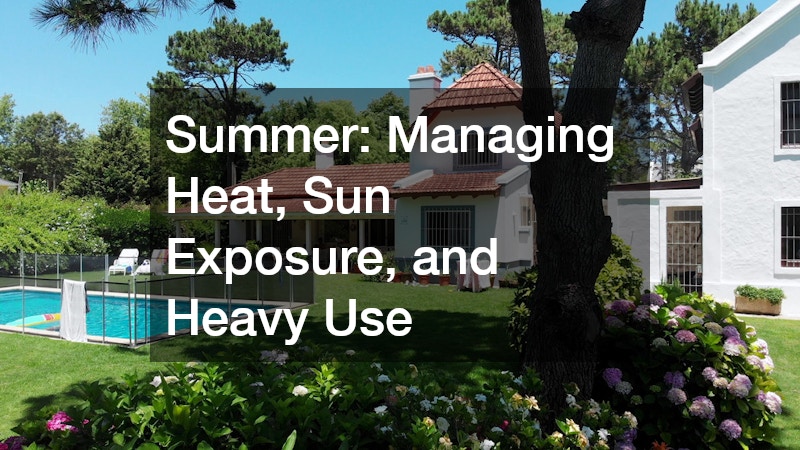
Summer: Managing Heat, Sun Exposure, and Heavy Use
Summer places sustained demands on homes due to prolonged heat, intense sunlight, and increased activity. Systems that operate intermittently during cooler months may run continuously during summer, revealing inefficiencies or age-related limitations.
At the same time, dry conditions and long daylight hours make summer ideal for many exterior improvement projects that are less feasible during wetter or colder seasons.
Temperature Control and Energy Performance
Cooling systems are under peak strain during summer. Uneven temperatures between rooms, frequent cycling, or rising energy bills often indicate airflow imbalances or equipment inefficiencies.
Homeowners may notice that certain rooms remain warmer despite continuous system operation. This can stem from insulation gaps, duct leakage, or outdated components that no longer meet household demands.
Summer evaluations with HVAC contractors allow these issues to be addressed when symptoms are most apparent. Identifying airflow restrictions, optimizing thermostat placement, or updating aging equipment during peak season can significantly improve comfort and energy performance.
In addition to mechanical systems, homeowners may evaluate window coverings, attic insulation, and ventilation strategies that reduce heat gain and improve overall thermal balance.
Exterior Surfaces and Sun Damage
Sun exposure is a major contributor to material degradation. Ultraviolet radiation gradually breaks down protective coatings, causing paint to fade, crack, or chalk over time. Roofing materials, particularly asphalt shingles, also experience accelerated aging under prolonged sun exposure.
Summer’s consistent dry weather makes it a practical season for repainting siding, trim, and other exposed surfaces. Proper surface preparation and curing conditions help achieve durable, even finishes.
When selecting materials, homeowners often seek out Benjamin Moore paint dealers to access coatings designed to withstand intense sunlight, temperature fluctuations, and environmental exposure while maintaining visual consistency.
Pool and Water Feature Care
Pools, fountains, and decorative water features are most active during the summer months. High usage levels combined with elevated temperatures increase the need for attentive care.
Chemical balances can shift rapidly under these conditions. Maintaining proper pool maintenance pH is essential for preventing equipment corrosion, surface damage, and swimmer discomfort. Inconsistent water chemistry can also reduce the lifespan of pumps, heaters, and filtration systems.
Routine monitoring and timely adjustments help maintain water clarity and reduce costly repairs associated with neglected maintenance.
Outdoor Projects and Hardscape Upgrades
Summer provides optimal conditions for exterior construction projects that rely on stable weather. Walkways, patios, retaining walls, and driveways benefit from predictable curing environments and extended working hours.
Many homeowners plan these improvements during summer to enhance outdoor usability and prepare properties for long-term enjoyment. Hardscaping services are often scheduled months in advance due to high seasonal demand, making early planning important.
These projects also contribute to improved drainage, erosion control, and landscape definition, supporting both functionality and visual appeal.
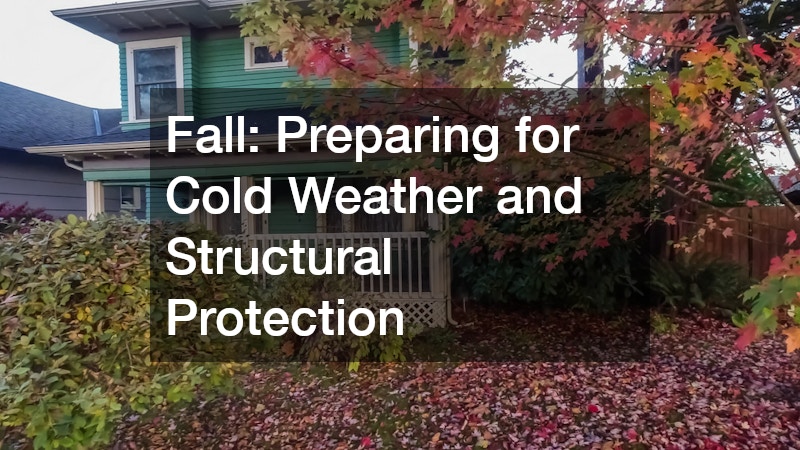
Fall: Preparing for Cold Weather and Structural Protection
Fall represents a critical preparation period. As temperatures cool and weather patterns shift, homeowners have a limited window to address vulnerabilities before winter conditions set in.
This season is particularly valuable for preventative maintenance that protects against moisture intrusion, freezing damage, and system failures during colder months.
Roofing and Weatherproofing
Roofs play a central role in protecting homes from the elements, and fall inspections are essential for identifying damage accumulated during summer storms or prolonged sun exposure.
Loose shingles, deteriorated flashing, and compromised seals can allow moisture to penetrate roofing systems. Fall repairs reduce the risk of leaks when snow and ice accumulate later in the year.
Many homeowners choose fall as the preferred time to schedule roof replacement services, taking advantage of moderate temperatures that support proper installation without the extreme heat or cold that can complicate the process.
Gutter Maintenance and Drainage Planning
Falling leaves and debris can quickly overwhelm gutter systems, leading to clogs that redirect water toward siding or foundations. Regular cleaning during the fall helps maintain proper drainage paths.
Poor gutter performance increases the risk of ice dams during winter, which can force water beneath shingles and into attic spaces. Addressing drainage concerns in the fall reduces these risks and protects structural components.
Homeowners may also assess grading and downspout placement to confirm that water is directed safely away from the home.
Decluttering and Project Cleanup
Fall often marks the completion of renovation projects started earlier in the year. Clearing leftover materials and organizing storage areas helps prepare homes for winter.
Larger cleanup efforts may involve disposing of construction debris, old fixtures, or damaged materials. In these cases, homeowners sometimes utilize a roll off dumpster service to streamline removal and restore order before colder weather limits outdoor work.
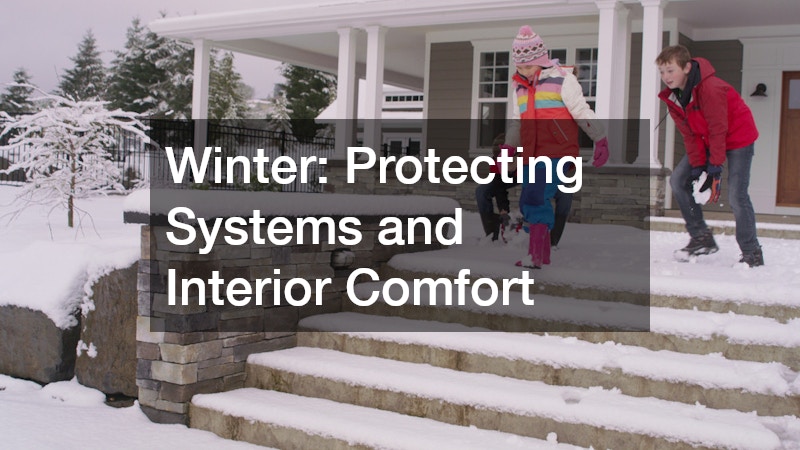
Winter: Protecting Systems and Interior Comfort
Winter shifts the focus inward. While exterior construction slows, interior systems face their most demanding conditions. Protecting heating systems, plumbing, and insulation becomes the priority.
Heating Performance and Indoor Comfort
Cold temperatures place sustained demands on heating systems. Even minor inefficiencies can lead to uneven warmth, higher energy bills, or system strain.
Homeowners often discover airflow imbalances during winter when certain rooms feel noticeably colder than others. Addressing these issues improves comfort and reduces wear on heating equipment.
Indoor comfort during winter also depends on humidity control. Dry air can cause discomfort and affect wood finishes, prompting homeowners to explore humidification strategies that support balanced indoor conditions.
Plumbing and Freeze Prevention
Frozen pipes are a common winter concern, particularly in uninsulated spaces such as garages, crawl spaces, and exterior walls. Preventative measures help reduce the risk of burst pipes and water damage.
Insulation upgrades, pipe wrapping, and controlled heating in vulnerable areas contribute to safer winter operation. Monitoring water usage patterns during winter can also reveal slow leaks that worsen as materials contract.
Planning for Future Improvements
While outdoor work slows, winter is an ideal time for planning. Homeowners often use this season to evaluate long-term improvement goals, compare service providers, and schedule projects for the upcoming year.
Relocations during winter may prompt renovation planning, with some homeowners coordinating timelines with residential movers to align improvements with move-in schedules.
Seasonal Transitions and System Coordination
Beyond individual seasons, the transitions between them create opportunities to evaluate how systems interact over time. Homes function as integrated environments, and improvements in one area often influence performance elsewhere.
Electrical and Solar Considerations
Changing daylight patterns affects energy consumption and production. Homeowners may review energy usage trends during transitional seasons to identify opportunities for efficiency improvements.
Evaluating solar panel services during these periods helps identify maintenance needs, performance adjustments, or system expansions aligned with seasonal sunlight changes.
Interior Layout and Usage Changes
Seasonal habits influence how spaces are used. Rooms that serve as gathering areas in winter may see less use during summer, while outdoor spaces follow the opposite pattern.
Adjusting lighting, furniture arrangements, or storage solutions to reflect these patterns improves functionality and comfort throughout the year.
Long-Term Planning Through Seasonal Awareness
Seasonal awareness supports smarter decision-making across all categories of home improvement. Instead of responding to emergencies, homeowners who anticipate seasonal demands can distribute costs more evenly and reduce stress.
Planning improvements during optimal seasons also improves project outcomes. Contractors can work more efficiently, materials perform better, and scheduling conflicts are minimized.
By aligning maintenance, upgrades, and inspections with seasonal conditions, homeowners protect their investments and maintain greater control over long-term property performance.