
Key Takeaways
- Define clear renovation goals and separate necessary improvements from optional upgrades before making design decisions.
- Create a realistic budget that includes labor, materials, permits, deliveries, and a contingency fund for unexpected expenses.
- Inspect the home for structural, plumbing, electrical, roofing, moisture, and other problems before starting cosmetic improvements.
- Research permit requirements and create a detailed project scope to reduce confusion during construction.
- Compare qualified contractors carefully and use a written contract that covers costs, responsibilities, timelines, and project changes.
- Order materials with long lead times early and prepare for possible construction delays.
- Protect belongings and plan how your household, children, and pets will safely manage daily life during the renovation.
A home renovation can make your living space more comfortable, functional, and attractive. You might be updating an outdated kitchen, adding storage, remodeling a bathroom, or changing several rooms at once. Whatever the project, good preparation can make the process easier to manage.
Renovations often involve more than choosing paint colors and new finishes. You may need to manage a budget, hire contractors, order materials, get permits, protect furniture, and prepare for disruptions to your normal routine. Unexpected problems can also appear once walls, floors, or ceilings are opened.
Planning ahead cannot prevent every surprise, but it can reduce confusion and help you make better decisions when problems occur.
Before construction begins, take time to understand exactly what you want to change and how much you can realistically spend. You should also know who will complete the work, how your household will function during construction, and what needs to happen before workers arrive.
Here are 12 important things to do before starting your home renovation.
1. Decide What You Want to Accomplish
Start by defining the main purpose of the renovation.
Do you need more storage? Are you trying to improve an outdated layout? Does the home need repairs, or are you mainly interested in changing its appearance?
Write down your most important goals before choosing finishes or contacting contractors. Separate necessary improvements from features that would simply be nice to have.
For example, replacing damaged flooring may be a priority, while installing custom built-in shelves might be optional.
Clear goals can help you avoid adding unnecessary work once the project begins.
Think about how you use the space now and what causes frustration. A kitchen might look outdated, but poor storage or limited counter space may be the bigger everyday problem.
Your goals should guide later decisions about the budget, layout, materials, and project schedule.
When you know what you want the renovation to accomplish, it becomes easier to judge whether each decision actually supports the finished space.
2. Set a Realistic Renovation Budget

Determine how much you can comfortably spend before making major design decisions.
Your budget should include more than labor and visible materials. Depending on the project, expenses may include permits, demolition, disposal fees, delivery charges, appliances, temporary storage, professional design services, and cleanup.
Get a general idea of local project costs before setting a final number.
Avoid building a budget around the lowest possible estimate. Renovations often uncover problems that were difficult to see beforehand, such as damaged framing, outdated wiring, plumbing leaks, or moisture problems.
Include a contingency amount for unexpected costs.
If estimates come back higher than expected, reduce the project scope or choose more affordable materials instead of immediately increasing your spending.
Decide where you are willing to save and which features matter enough to justify spending more.
A realistic budget gives you clearer limits and makes financial decisions easier throughout construction.
3. Inspect the Home for Existing Problems
Before making cosmetic improvements, check whether the home has problems that should be addressed first.
Water damage, roof leaks, foundation issues, electrical concerns, plumbing problems, mold, pests, and structural damage can affect a renovation.
Ignoring these issues may lead to expensive repairs later, especially if new finishes cover the problem temporarily.
This is where essential home system care becomes important. Plumbing, electrical systems, heating and cooling equipment, roofing, and drainage should be considered before spending heavily on decorative improvements.
For larger projects, you may need qualified professionals to inspect specific parts of the home.
An electrician, plumber, structural engineer, roofing professional, or other specialist may identify concerns that are not obvious during a basic walkthrough.
Fixing important problems first can protect the money you invest in the renovation and reduce the chance that finished work needs to be removed later.
4. Research Whether You Need Permits
Many home renovation projects require permits, but requirements vary depending on the location and type of work.
Structural changes, electrical work, plumbing changes, additions, and major remodeling projects commonly require approval.
Do not assume a small-looking project is automatically exempt.
Contact the appropriate local building department or ask your contractor which permits and inspections may apply.
Find out who is responsible for obtaining them. In some cases, the contractor handles the process. In others, the homeowner may need to complete certain steps.
Permit requirements can affect both the budget and timeline, so investigate them early.
Skipping required permits may create problems during inspections, future renovations, insurance claims, or a home sale.
Keep copies of permits, inspection records, plans, and other project documents.
Following local requirements may add time to the preparation stage, but it can help ensure that regulated work meets applicable building and safety standards.
5. Create a Clear Project Scope
A project scope describes exactly what work will be completed.
The more specific it is, the easier it becomes to compare contractor estimates and prevent misunderstandings.
For example, “remodel the bathroom” is too broad. A useful scope might include replacing the vanity, moving plumbing, installing new flooring, replacing the shower, adding lighting, painting walls, and updating ventilation.
List each part of the renovation room by room.
Include demolition, repairs, construction, finishes, fixtures, appliances, and cleanup when applicable.
A clear scope also helps control changes after work begins. If you decide to add something later, you can clearly see that it was not part of the original plan and may increase the cost or schedule.
Provide contractors with the same basic project information when requesting estimates. This makes their proposals easier to compare.
6. Choose the Overall Design Before Construction
Major design decisions should be made before demolition whenever possible.
Choose the general layout, color direction, flooring, cabinets, countertops, fixtures, and other important finishes early enough to understand how they will work together.
Creating a mood board can help. Collect photos, material samples, and color ideas that represent the look you want.
Consider how home beautification strategies can support the overall design instead of focusing on individual decorative trends. Repeating colors, materials, finishes, and architectural details can help renovated spaces feel connected to the rest of the home.
Do not choose materials based only on appearance.
Consider durability, cleaning requirements, moisture resistance, maintenance, and how the material will perform in the room.
A beautiful white fabric or delicate surface, for example, may not be practical for every household.
Making design decisions early can also reduce rushed choices during construction.
7. Hire the Right Professionals
Choosing a contractor is one of the most important renovation decisions you will make.
Ask friends, relatives, neighbors, or other trusted sources for recommendations. Research potential contractors and review their experience with projects similar to yours.
Request detailed estimates from more than one qualified professional when possible.
Price matters, but the cheapest estimate is not automatically the best choice. Look at what each proposal includes, such as materials, labor, demolition, cleanup, permits, and subcontractor work.
Ask about licensing and insurance requirements that apply in your area.
You should also discuss communication. Find out who will be your main contact, how often you will receive updates, and how questions or problems will be handled.
Before work begins, get the important details in writing.
A clear contract should describe the scope, payment schedule, expected timeline, responsibilities, and process for approving changes.
8. Plan Your Renovation Timeline
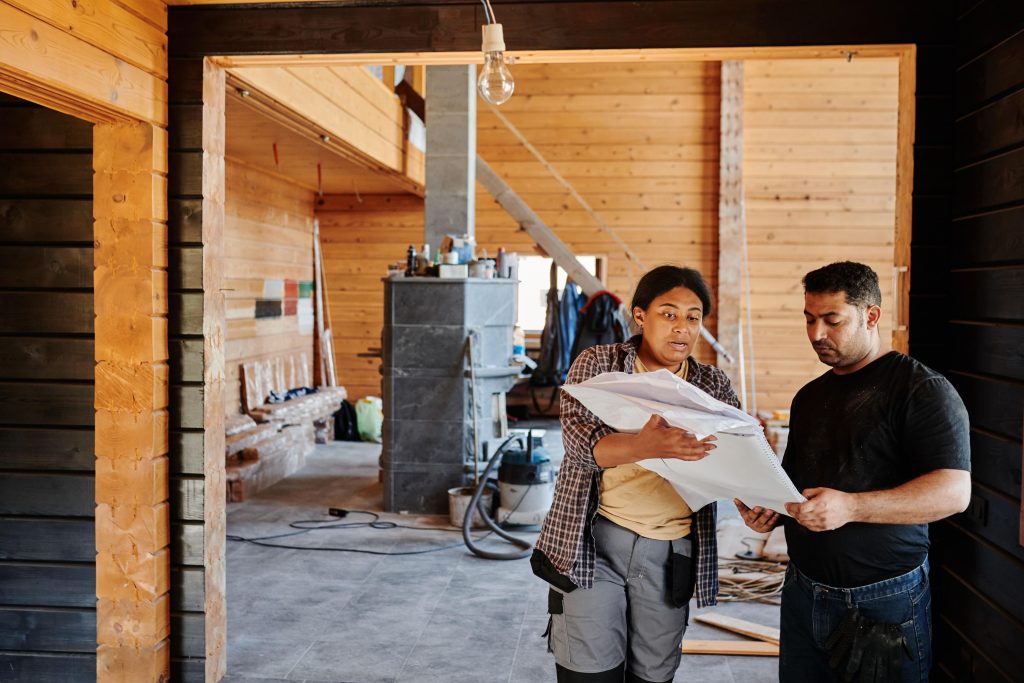
Renovations often take longer than homeowners expect.
Create a realistic schedule with your contractor before construction begins. Ask about demolition, inspections, material deliveries, subcontractor work, installations, and final cleanup.
Understand which tasks depend on others being completed first.
For example, cabinets may need to be installed before countertops can be measured. Electrical and plumbing work may need inspections before walls can be closed.
Material delays can also affect the schedule.
If you are renovating before an important event, such as a holiday, move-in date, or family gathering, leave extra time between the expected completion date and the event.
Weather can affect certain exterior projects as well.
Treat the project timeline as a useful guide rather than a guarantee. Ask your contractor how schedule changes will be communicated so you can adjust your household plans when necessary.
9. Order Important Materials Early
Some renovation materials can take weeks or even months to arrive.
Custom cabinets, windows, doors, specialty tiles, appliances, and certain plumbing fixtures may have long lead times.
Identify these items early and ask when they should be ordered.
Do not schedule demolition based on the assumption that everything will arrive exactly on time. Confirm important delivery dates whenever possible.
Check orders carefully when they arrive. Make sure you received the correct model, size, finish, quantity, and color.
If something is damaged or incorrect, reporting the issue early gives you more time to arrange a replacement.
Store materials in a dry, secure location where they will not be damaged before installation.
Ordering early may require more planning, but it can prevent construction from stopping because one important product is missing.
10. Prepare for Daily Life During Construction
Think about how the renovation will affect your everyday routine.
A kitchen remodel may temporarily remove your stove, sink, dishwasher, or refrigerator. A bathroom renovation may be difficult if the home has only one bathroom.
Set up temporary alternatives before construction starts.
For a kitchen project, you might create a small food preparation area with a microwave, coffee maker, and basic supplies. If bedrooms or living spaces are affected, decide where family members will sleep or spend time.
Consider children and pets as well.
Construction areas can contain tools, sharp materials, dust, cords, and other hazards. Keep pets and young children away from active work areas.
For large renovations, temporary housing may be more practical.
Planning for normal routines in advance can reduce stress once the house becomes noisy, dusty, and difficult to navigate.
11. Protect Your Home and Belongings
Construction dust can travel far beyond the room being renovated.
Remove furniture, artwork, electronics, rugs, and other belongings from the work area before construction begins.
Items that cannot be moved should be covered and protected.
Ask the contractor how the work area will be separated from the rest of the home. Plastic barriers, floor coverings, and temporary dust-control systems may be appropriate depending on the project.
Clear pathways that workers will use to enter and leave the home.
If contractors need access through a garage, hallway, or another room, remove fragile objects and anything that could create a tripping hazard.
Decide where tools and materials can be stored.
You may also want to discuss security, including which doors workers will use and how the home will be locked when no one is present.
A little preparation can prevent unnecessary damage and make the job site easier to manage.
12. Decide How Changes Will Be Handled
Even a carefully planned renovation can change after construction begins.
A wall may contain unexpected plumbing. A chosen material may become unavailable. You might decide that an additional improvement makes sense while the room is already under construction.
Before work starts, agree on a process for handling changes.
Contractors commonly use written change orders that describe the additional or modified work, the price difference, and any effect on the schedule.
Avoid relying only on casual conversations.
If you request a change, ask what it will cost and how it will affect completion before approving it.
Keep a project folder containing contracts, estimates, receipts, plans, product information, warranties, permits, and change orders.
You can use a physical binder, digital folder, or both.
Good records make it easier to track decisions and resolve questions during and after the renovation.
Conclusion
A successful home renovation begins long before demolition. Careful preparation can help you control costs, reduce delays, and make decisions with greater confidence.
Start by identifying what you want the renovation to accomplish and setting a realistic budget. Check the home for existing problems, research permits, and create a detailed scope of work before hiring professionals.
Choose the main design direction and important materials before construction whenever possible. Order products with long lead times early and build extra flexibility into your schedule.
You should also prepare for the practical side of living through construction. Protect furniture and belongings, create temporary spaces for everyday activities, and keep children and pets away from work areas.
Finally, expect that some things may change. Renovations can uncover hidden problems or require adjustments that were impossible to predict before work began.
A clear plan will not eliminate every surprise, but it can make those surprises easier to handle. By organizing your budget, design, schedule, materials, and household needs before construction begins, you can create a smoother renovation process and a finished home that better supports the way you live.