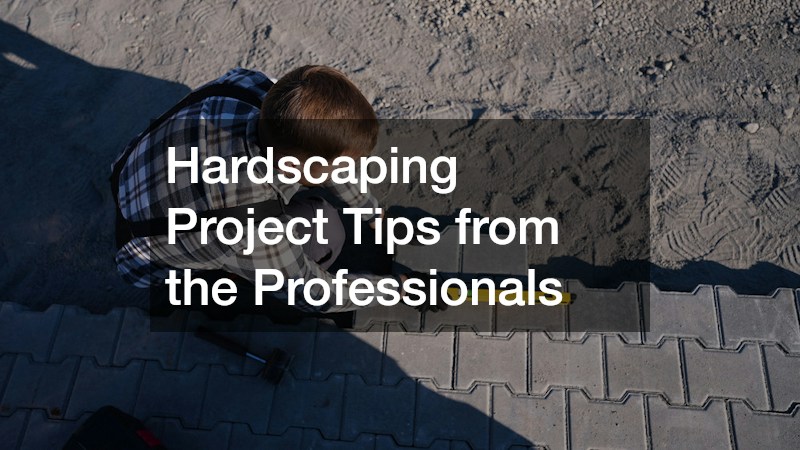
Starting a hardscaping project can be a daunting task, but with the right knowledge and expertise, you can transform your outdoor space into a beautiful and functional area. In this article, we will cover essential tips from professionals that will guide you through the planning and execution of your hardscaping project. With careful preparation, you can overcome common challenges and avoid unnecessary expenses.
Our guide emphasizes strategies used by experts in the field, ensuring your project not only meets but exceeds your expectations. By taking into account the advice of seasoned professionals, your hardscaping endeavor can become a seamless and rewarding experience.
What Should I Consider Before Starting a Hardscaping Project?
Before diving into your hardscaping project, it’s crucial to think about various factors that will affect the outcome. The first consideration is the purpose of your space; understanding its primary use helps tailor your design effectively. Will it be a tranquil spot for relaxation, a dynamic play area for children, or a versatile space for entertaining guests? Another key factor is budget constraints, which will deeply influence the scope and quality of your project. Lastly, environmental impacts, such as drainage and local weather conditions, play a significant role in planning, as they will affect both material selection and design.
Furthermore, evaluating the layout of your existing landscape can provide valuable insights. Professionals recommend conducting a thorough site analysis to identify potential opportunities and challenges. Consider the natural terrain, existing vegetation, and sunlight patterns, as these elements are integral to a successful integration of hardscaping features. Don’t overlook the impact of surrounding views and the overall aesthetic you wish to achieve. Incorporate these factors early in your planning to ensure a cohesive and harmonious design.
Additionally, zoning laws and community regulations are important considerations that can influence your project. Adhering to these guidelines ensures compliance and can prevent costly alterations in the future. Consulting with a landscape architect or a local contractor well-versed in these regulations can be beneficial. They can provide guidance on permits, boundaries, and any restrictions that may apply to your hardscaping plans.
What Materials Are Best for Hardscaping?
The choice of materials can make or break your hardscaping project. Different materials offer varying aesthetics and functionality. For paths and patios, stone and concrete are popular options due to their durability and low maintenance. Natural stones, such as granite and sandstone, provide an elegant and timeless appearance, while concrete is versatile, allowing for customization with colors and patterns. Meanwhile, bricks can also be an excellent choice, offering a classic look with the benefit of longevity and ease of repair.
Moreover, integrating eco-friendly materials has become a growing trend in hardscaping. Permeable pavers, for instance, are designed to allow rainwater to pass through, reducing runoff and improving water management. This not only addresses environmental concerns but also enhances the sustainability of your landscape. Recycled materials, like reclaimed wood and composite decking, provide unique aesthetics while promoting eco-conscious practices.
It’s also essential to consider how materials will interact with each other and the surrounding environment. Professionals suggest coordinating materials with the existing architecture and natural elements of your property. This can be achieved by matching colors, textures, and styles to create a seamless transition between hardscaping and landscaping. Additionally, plan for seasonal changes that could affect material wear and tear. By thoroughly assessing these factors, you can select materials that provide durability, functionality, and complement your landscape’s overall design.
How Can I Incorporate Hardscaping with My Existing Landscape?
Integrating hardscaping into your existing landscape is vital for creating a harmonious outdoor space. Professionals emphasize the importance of balance between hard elements and natural features to achieve a cohesive design. Paths and walkways should guide visitors naturally through the landscape, connecting different areas without disrupting the flow. Seating areas and focal points, such as fire pits or water features, can be strategically placed to enhance usability and enjoyment. When done correctly, hardscaping can accentuate the natural beauty of your landscape rather than overwhelm it.
Layering elements is another technique professionals use to incorporate hardscaping effectively. By varying heights, textures, and colors, you can create depth and interest throughout the landscape. For example, raised garden beds can add vertical structure and define spaces, serving functional purposes while maintaining visual appeal. Incorporating greenery, such as shrubs and trees, around and through hardscaping features softens the overall appearance. This integration can be achieved by choosing complementary plant species that thrive in the given environment.
Implementing these hardscaping tips from professionals will provide you with a solid foundation for your project. By considering key factors, selecting appropriate materials, and integrating your hardscaping with your landscape, you can create an inviting and well-designed outdoor area that enhances your home’s appeal. A successful hardscaping project not only adds beauty and utility to your property but also increases its value. Remember to approach your project with patience and adaptability, as flexibility can lead to creative and rewarding outcomes. Armed with professional insights and thoughtful planning, your hardscaping project is poised to achieve outstanding results.