In recent years, kitchen renovations have become a critical aspect of home improvements, as the kitchen is often considered the heart of the home. As we look forward to 2027, several emerging trends are expected to shape the ways in which we transform our culinary spaces. This article explores three noteworthy trends in kitchen renovations that promise to redefine both functionality and aesthetics.
Smart Technology Integration
One of the most significant trends expected in kitchen renovations by 2027 is the deeper integration of smart technology. As the influence of the Internet of Things (IoT) continues to expand, more devices within the kitchen are becoming interconnected. Smart refrigerators, ovens, and dishwashers are just some of the appliances that will communicate with each other, allowing for more streamlined cooking and kitchen management. This technological advancement not only helps optimize energy consumption but also suggests recipes based on available ingredients, making meal planning easier and minimizing food waste. Homeowners will appreciate the convenience and efficiency that these innovations bring to their daily culinary activities.
Another element of smart technology in kitchen renovations is the use of voice-activated assistants. These assistants can handle various tasks such as setting timers, playing music, or even controlling lighting. With hands-free assistance becoming prevalent, safety in the kitchen will significantly improve, as users can multitask without needing to touch potentially contaminated surfaces. Furthermore, as these devices learn individual preferences, they will offer highly personalized experiences. This technology not only enhances convenience but also adds a sophisticated touch to modern kitchens.
Moreover, smart kitchen renovations focus on sustainability and eco-friendliness. Enhanced technology allows smart appliances to utilize resources more efficiently. For instance, faucets with motion sensors help conserve water, while energy-efficient appliances reduce electrical consumption. These features are increasingly becoming a priority as homeowners look to decrease their carbon footprint. Consequently, investing in smart kitchen technology contributes to both an eco-conscious lifestyle and cost savings in the long run.
Open Concept Layouts
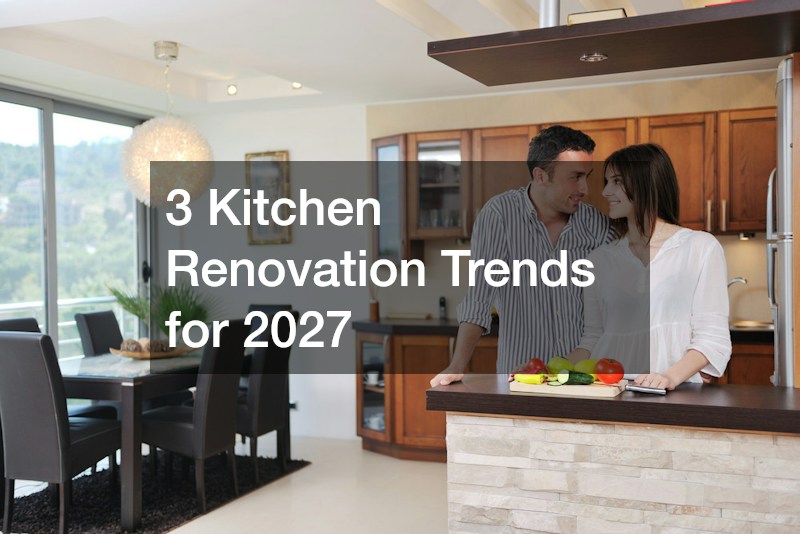
Open concept kitchen layouts continue to be a popular trend as we approach 2027. This style involves removing walls to create a more connected space between the kitchen, dining area, and living room. Open kitchens promote a sense of spaciousness and are conducive to both casual family gatherings and formal entertaining. This design trend reflects a shift toward more social and interactive home environments. An open layout also enhances natural light flow, contributing to a brighter and more welcoming atmosphere.
Incorporating multifunctional islands is a crucial aspect of open concept kitchen renovations. These kitchen islands serve as additional workspace, dining areas, and storage options, maximizing functionality within the open layout. Islands equipped with seating options encourage family and guests to gather, facilitating interaction while cooking or dining. Moreover, islands can house additional sinks, cooktops, or other appliances, further enhancing the kitchen’s functionality. By integrating these solutions, homeowners can enjoy more versatile and social cooking spaces.
With open concept kitchens, the choice of materials and aesthetics becomes vital. Seamless transitions between the kitchen and adjoining spaces require thoughtful coordination of color palettes, textures, and finishes. Many homeowners in kitchen renovations are opting for natural materials such as wood and stone, which provide a warm and inviting feel. The use of consistent materials across the open space helps maintain continuity, creating a cohesive experience throughout the home. Stylish yet durable options ensure that the kitchen remains both beautiful and practical for years to come.
Sustainable and Eco-Friendly Designs

Sustainability is at the forefront of kitchen renovations in the coming years, with eco-friendly designs becoming more mainstream by 2027. Homeowners are making conscious choices to reduce their environmental impact by selecting sustainable materials and appliances. Reclaimed wood, recycled metal, and sustainably sourced stones are becoming popular materials for countertops and cabinetry. These options not only offer unique aesthetics but also contribute to the preservation of natural resources. Eco-friendly kitchens go beyond aesthetics; they embody a commitment to ethical and responsible consumption.
Energy efficiency is another critical component of sustainable kitchen renovations. Appliances with high energy star ratings help minimize power consumption, resulting in lower utility bills and a smaller carbon footprint. Induction cooktops and convection ovens, which use significantly less energy compared to their traditional counterparts, are gaining popularity. Additionally, skylights and large windows maximize natural lighting, reducing reliance on artificial lighting. Together, these elements work harmoniously to create kitchens that are not only eco-conscious but also economically beneficial.
Water conservation continues to be an essential consideration in sustainable kitchen designs. Innovative fixtures such as low-flow faucets and high-efficiency dishwashers contribute to reduced water usage. Moreover, systems to capture and reuse greywater for non-potable uses are being integrated into kitchen renovations. By prioritizing water conservation, homeowners are making strides toward more sustainable living practices. These sustainable choices ensure that future kitchens have a lower environmental impact without compromising on functionality or style.
In conclusion, the trends of smart technology integration, open concept layouts, and sustainable designs are set to shape the evolution of kitchen renovations in 2027. As homeowners increasingly seek convenience, aesthetics, and sustainability, these trends offer valuable solutions. By adopting these innovations, individuals not only enhance the functionality of their kitchens but also contribute to environmentally responsible living. As we embrace these trends, kitchen renovations will continue to play a pivotal role in shaping the modern home, ensuring that these spaces remain central to our lives for years to come.