As we approach September and the cooler months ahead, it pays to learn more about heating technology in your home. In this informative article, we’ll explore some common heating system care tips.
1. Heating
Why is heating maintenance important?
Regular maintenance of your heating system ensures its efficiency and longevity. A well-maintained system reduces the risk of unexpected breakdowns, which can be costly. Proper heating maintenance also improves your home’s energy efficiency, ultimately lowering your utility bills.
Ignoring heating maintenance can lead to a gradual decline in system performance. Over time, minor issues can exacerbate, causing significant repairs or even system replacements. Regular check-ups by a reliable heating contractor are essential for preventing such problems.
Additionally, heating systems that receive regular maintenance are more likely to meet safety standards. This reduces the risk of dangerous malfunctions, ensuring a safe environment for you and your family. Prioritizing maintenance will give you peace of mind during the colder months.
How can you improve the efficiency of your heating system?
One effective way to enhance the efficiency of your heating system is by sealing gaps and insulating your home. This prevents heat loss, making your system work less to achieve desired indoor temperatures. Another method is to upgrade to a programmable thermostat, which optimizes energy use.
Scheduling regular tune-ups with a heating contractor can also maintain your system at peak performance. During these checks, professionals can identify and remedy issues that cause inefficiency, such as clogged filters or faulty components. Simple changes like cleaning the vents can also make a notable difference.
Moreover, replacing outdated or inefficient systems can dramatically increase heating efficiency. For example, opting for tankless water heater installation ensures you only heat the water you need. This is more energy-efficient both in terms of water usage and heating energy, reducing overall costs.
2. Water Heater Replacement
When should you consider replacing your water heater?
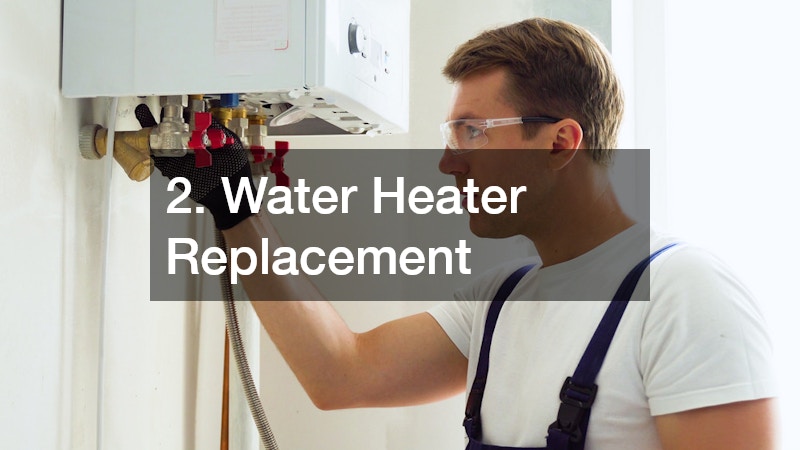
It may be time to consider a water heater replacement if your current unit is over 10-15 years old. Older units are typically less efficient and more prone to leaks and failure. Signs like inconsistent water temperature or strange noises can also indicate the need for replacement.
A sudden increase in energy bills might also suggest that your water heater is no longer performing efficiently. Increasing repair costs over time should lead to considering an upgrade as well. This preemptive action can prevent the inconvenience and damages caused by a failed water heater.
Furthermore, if you notice rust-colored water or water that fails to get hot enough, these are signs of serious internal issues. Consulting with water heater contractors can give you a clearer picture of when replacement is necessary. Keeping up with advancements in technology often means new heaters offer better energy savings and performance.
What are the different types of water heaters available for replacement?
There are several types of water heaters you can consider for replacement, each with its benefits. Traditional tank water heaters are common but can be less energy-efficient. Conversely, tankless water heater installation provides on-demand heating, making it more energy-efficient.
Electric water heaters are a popular choice due to their simplicity and lower upfront costs. These heaters rely on electrical elements to warm water and are suitable for homes already reliant on electricity. However, they may incur higher operational costs than gas-powered options.
On the other hand, gas water heaters are known for quick heating and reduced operational costs. Although their installation can be more complicated, they often lead to lower long-term costs. Exploring these options with water heater contractors can help decide the best fit for your home.
3. Heating Oil
Is heating oil a cost-effective option for home heating?
Heating oil can be a cost-effective option for home heating in areas where alternative fuel sources are less viable. One of the main advantages is its high energy output, which provides effective heating even in extreme weather. Additionally, many households find its consistent pricing easier to budget for.
The efficiency of heating oil systems has improved significantly, with new systems offering more energy turnover. This often results in reduced operational costs and less frequent refills. However, fluctuations in crude oil prices can influence the overall cost-effectiveness of heating with oil.
Though it may present cost-saving opportunities, assessing the need for furnace repairs or system upgrades is critical for maximizing efficiency. Examining these aspects ensures that home heating remains economical without sacrificing comfort. Ultimately, the best decision depends on your specific circumstances and local fuel availability.
What are the benefits of using heating oil in furnaces?
Heating oil furnaces offer several benefits, including a reliable energy source known for generating consistent warmth. Additionally, many modern heating oil systems are efficient, converting nearly all fuel into usable heat, which is an attractive feature during colder months.
Maintenance needs for heating oil furnaces are typically low, further promoting cost-effectiveness. Unlike other systems, there’s no need for gas line hookups, simplifying installations and repairs. This makes it easier for homeowners to keep their systems in top shape with minimal intervention.
The longevity of heating oil systems is another significant benefit, with proper maintenance often resulting in several decades of service. This long-term performance, coupled with ongoing advancements in technology, makes heating oil a competitive option. Consulting with a furnace repair company can help determine the best strategies for managing a heating oil system in your home.
4. Furnace Repairs
What are common signs that your furnace needs repairs?
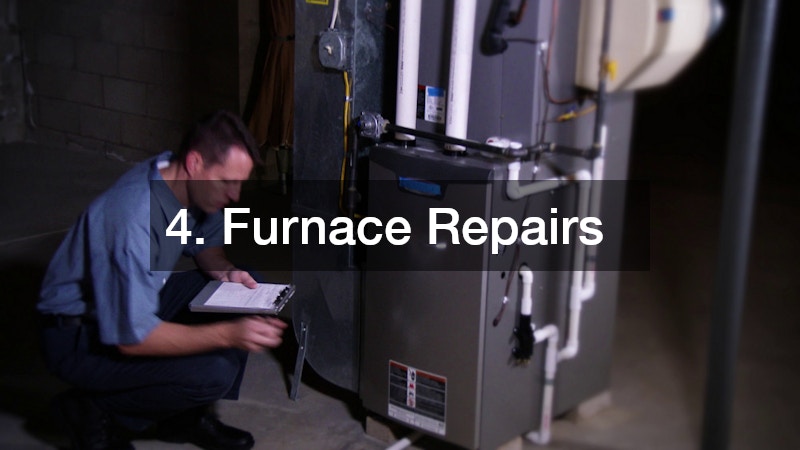
Unusual noises such as banging, rattling, or humming from the furnace often signal a need for repairs. Additionally, if you notice uneven heating or frequent cycling, it might indicate that your furnace isn’t working properly. In these cases, reaching out to a furnace repair company is advised.
Consistently high energy bills without a logical explanation could also suggest furnace inefficiency. These increases usually indicate that the system is overworking to compensate for underlying issues. Indicators like a yellow pilot light instead of blue could mean ventilation problems or a failing system.
Odors emanating from your furnace, such as musty or burning smells, are another red flag that requires immediate attention. These signs often highlight issues like poor combustion or melting components. Routine inspections can preempt sudden failures, and employing reliable heating repairs ensures system longevity.
How can you troubleshoot minor furnace issues on your own?
Before calling a professional, check the furnace’s thermostat settings to ensure they are properly adjusted. Sometimes, inadvertently changed settings lead to performance issues that are easily corrected. Another simple step is replacing or cleaning air filters, which can become clogged over time.
Inspecting your furnace’s power source, whether electrical or gas, can reveal straightforward problems. If your thermostat or furnace won’t power on, make sure the circuit breaker hasn’t tripped. Ensuring that vents aren’t obstructed or blocked can also aid in troubleshooting airflow problems.
If these steps don’t resolve the problem, consulting with a furnace repair company may still be necessary. These professionals can deeper diagnose complex issues beyond basic troubleshooting. It’s essential not to proceed with DIY beyond safe, straightforward checks as this might worsen the issue.
5. Water Heater Contractors
How to choose the right water heater contractor for installation?
Choosing the right contractor begins with research; gather recommendations from friends or reliable online sources. Look for contractors who have significant experience with your specific type of water heater, as expertise directly affects installation quality.
Valid licenses and insurance are non-negotiable prerequisites that protect you from liability. These credentials demonstrate the contractor’s qualification and can assure you of trustworthy service. It’s equally important that the contractor transparently communicates costs, timeframes, and expectations.
What questions to ask a water heater contractor before hiring?
When interviewing a contractor, ask about their experience with installations similar to yours. This includes the types of systems they’ve installed and whether they can handle tankless water heater installation if applicable. Understanding their familiarity with your specific requirements ensures a competent job.
Inquire about warranties and guarantees, as these reflect a contractor’s confidence in their work’s quality. You should also ask about the projected timeline for the project’s completion and whether sub-contractors will be involved, as their inclusion often impacts timelines and quality.
6. Heating Installations
What are the steps involved in a heating system installation?
The first step in heating system installation is assessing your home’s specific needs. This involves calculating the necessary heat output and selecting an appropriate system. Following this, professionals dismantle the existing system if there is one.
The next phase is installing the new heating system components with careful adherence to safety and manufacturer instructions. Proper piping, duct, or electrical connections are established to ensure the system’s efficient operation. Testing the setup follows to verify correct installation and performance.
How long does a standard heating system installation take?
The duration of a heating installation project depends significantly on factors such as the system type and home configuration. Standard installations for average-sized homes can typically be completed within a day. However, complex or larger installations involving ductwork may extend the timeframe.
Additional considerations, like unforeseen issues with existing infrastructure or requirements for supplementary work, can extend the timeline. Communication with a heating contractor will ensure awareness of expected timelines and contingencies. Efficient scheduling and preparation by the homeowner can also expedite the process.
7. Heating Repairs
What are the most common issues that require heating repairs?
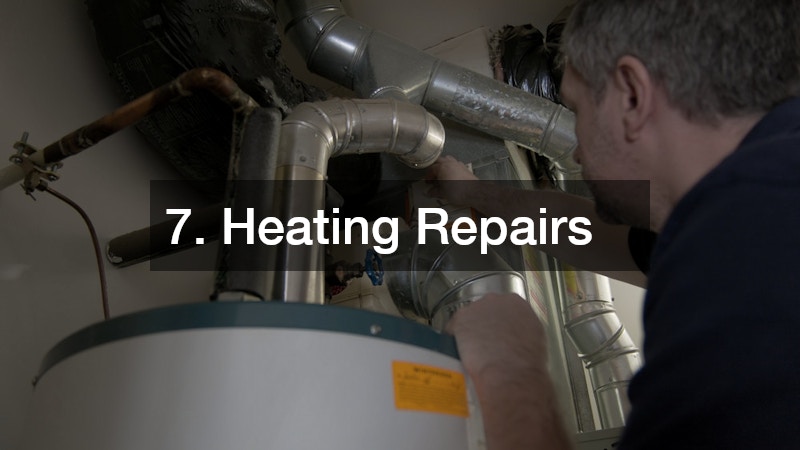
Thermostat malfunctions are among the most common heating system issues, affecting temperature regulation and system responsiveness. Other frequent problems include blocked filters, reducing airflow and system efficiency. Both can lead to increased energy costs if left unaddressed.
Ignition or pilot control issues also represent typical concerns that heating repairs can address. These issues often result in intermittent heat or complete loss of service. Tackling these problems promptly with professional help ensures safety and prevents further complications.
How much do heating repairs usually cost?
Heating repair costs can vary widely based on the problem’s complexity and the system type. Minor repairs such as thermostat replacements might cost under $100, while more extensive issues, like blower or heat exchanger repairs, can range from $500 to $1,500.
Parts, labor, and system accessibility also contribute to cost differences. Geographic location may influence repair costs, as market rates and availability of qualified technicians vary. Routine maintenance can prevent costly repairs and lower potential financial impacts.
8. Furnace Repair Companies
How to find a reliable furnace repair company in your area?
Finding a reliable furnace repair company often starts with seeking referrals from trusted sources like friends and family. Online reviews and ratings also assist in identifying reputable companies with a history of satisfied customers. Experience levels are crucial and should be prioritized when making your choice.
Professionalism in communication is another important aspect, reflecting a company’s reliability and customer commitment. A company’s willingness to discuss qualifications and service details transparently can assure quality. On-site assessments and written estimates are good practices that reliable companies consistently offer.
What certifications and licenses should a furnace repair company have?
Certified furnace repair companies possess the necessary training and skills to maintain compliance with safety regulations. Relevant certifications include North American Technician Excellence (NATE) and HVAC Excellence, ensuring adherence to industry professionalism standards.
Licenses vary by region but typically require companies to pass rigorous exams demonstrating technical and safety competency. Verifying these credentials confirms that the company meets legal and industry standards, offering trustworthy services. Additionally, liability insurance is crucial to protect homeowners from potential risks.
9. Heating Contractors
What qualities to look for in a reputable heating contractor?
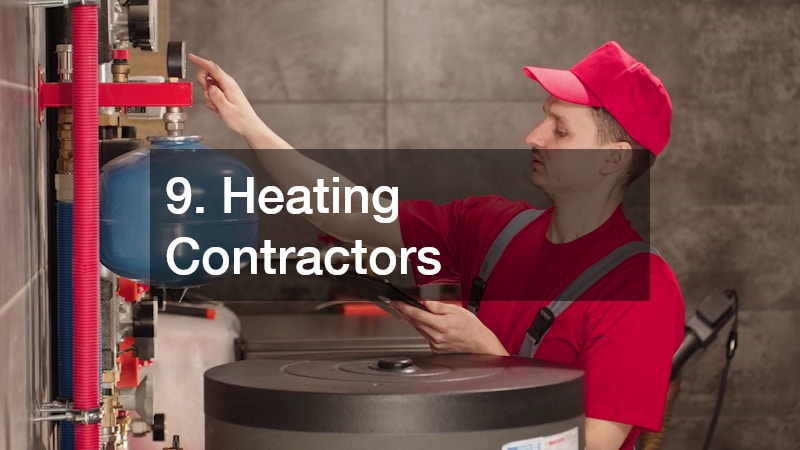
A reputable heating contractor is characterized by a solid reputation and proven experience in the field. Transparent communication and the ability to convey complex ideas simply reflect professionalism and client-oriented service. Consistent positive client feedback highlights reliability and skillful execution.
The best contractors have a range of specialized training and certifications indicating expert knowledge. They prioritize customer satisfaction and are responsive to inquiries and concerns. Adherence to timelines and budgets further demonstrate commitment to exemplary service.
In summary, preparing for cooler months by maintaining your heating systems and considering water heater replacement can enhance home comfort and efficiency. Heating maintenance and repairs mitigate unexpected breakdowns, contributing to cost savings and safety. By leveraging expert services and integrating modern energy-saving technologies, your home can remain cozy all winter long.