Your garage door plays a bigger role in your home than many people realize. It protects your vehicles, adds to curb appeal, and contributes to overall security. Because it is used so frequently, wear and tear can build up slowly, making it easy to overlook warning signs. Paying attention to changes in performance, appearance, and noise can help you decide when repairs are no longer enough. In many cases, a timely garage door inspection can reveal whether replacement is the smarter long-term option.
Visible Damage That Keeps Getting Worse
Over time, exposure to weather and daily use can take a toll on garage door materials. Dents, cracks, and warping may start small but often worsen as seasons change. Wooden doors may show signs of rot or swelling, while metal doors can rust or bend. Cosmetic issues might seem minor at first, yet they can affect how the door opens and closes. Once damage begins interfering with proper alignment, replacement often becomes more cost-effective than ongoing fixes.
Frequent Breakdowns and Repairs
Occasional maintenance is expected, but repeated problems are a clear signal something is wrong. Springs snapping, cables fraying, or rollers wearing out too often suggest the door has reached the end of its lifespan. Constant service calls add up quickly, sometimes costing more than a new installation. A professional garage door inspection can help determine whether repairs are still worthwhile or if investing in a new door will save money and frustration over time.
Excessive Noise During Operation
Garage doors are rarely silent, but grinding, squeaking, or banging sounds should not be ignored. Loud operation often points to worn components or structural issues within the door itself. Lubrication and minor adjustments may help temporarily, yet persistent noise usually indicates deeper problems. Newer garage doors are designed with smoother mechanisms and quieter materials, making replacement a practical choice for homeowners tired of disruptive sounds.
Trouble Opening or Closing Smoothly
A door that sticks, jerks, or hesitates while moving is more than an inconvenience. These issues can strain the opener and increase the risk of sudden failure. Uneven movement may be caused by warped panels or a frame that no longer sits squarely. In many situations, replacing the door restores reliable operation and reduces stress on the entire system. Addressing this early can also help prevent safety hazards.
Rising Energy Bills and Poor Insulation
Older garage doors often lack proper insulation, allowing hot or cold air to enter your home. This can make adjacent rooms uncomfortable and increase heating or cooling costs. Modern doors offer better insulation options that improve energy efficiency and indoor comfort. During a garage door inspection, professionals can assess how well your current door seals the space and whether an upgrade would provide noticeable savings.
Outdated Style Hurting Curb Appeal
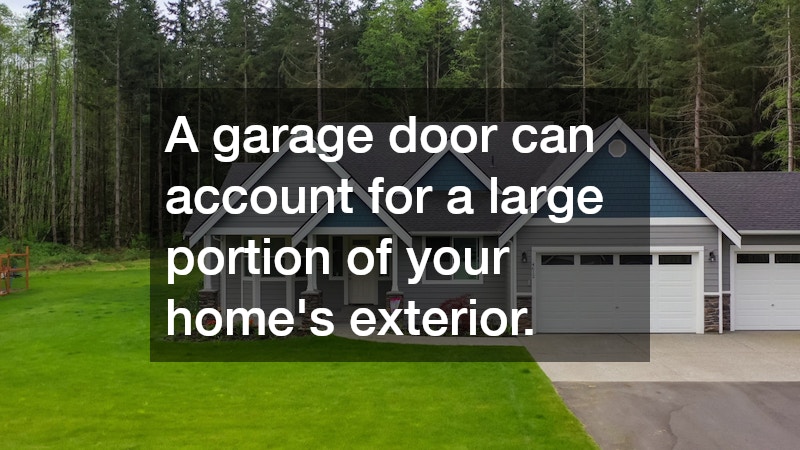
A garage door can account for a large portion of your home’s exterior. An outdated or worn design may drag down curb appeal, even if the rest of the house looks well-maintained. Replacing an old door with a modern style can dramatically improve first impressions and even boost property value. Homeowners preparing to sell often find that a new garage door offers one of the highest returns on investment.
Safety and Security Concerns
Older garage doors may not meet current safety standards, especially if they lack modern sensors or sturdy locking mechanisms. Weak materials or failing hardware can make it easier for intruders to gain access. In addition, worn springs or cables increase the risk of sudden accidents. A new door provides improved security features and peace of mind, especially for families with children or pets.
Increased Safety Risks for Your Household
As a garage door ages, safety can become a growing concern that is easy to overlook. Older doors may lack updated safety features or have worn components that no longer function as intended. Springs under tension, weakened panels, or unreliable sensors can create dangerous situations, especially in homes with children or pets. A door that unexpectedly slams shut or fails to stay open increases the risk of injury and property damage. Replacing an outdated garage door helps restore dependable operation and ensures modern safety standards are met, offering greater peace of mind for everyone in the household.
When Replacement Makes Sense
Knowing when to replace rather than repair can feel overwhelming. Clear signs such as frequent malfunctions, visible damage, and poor insulation usually point toward replacement as the better option. Scheduling a final garage door inspection can confirm your decision and help you choose a door that fits your needs, budget, and style preferences.
Replacing your garage door is not just about fixing a problem. It is an opportunity to enhance safety, efficiency, and appearance all at once. By recognizing these warning signs early, you can avoid unexpected breakdowns and enjoy the benefits of a reliable, modern garage door for years to come.