A good landscaper is more than just a gardener; it takes a unique combination of skills to transform outdoor spaces into vibrant and sustainable environments. While gardening is a crucial aspect, landscaping involves a comprehensive understanding of horticulture, design principles, and environmental sustainability. This multifaceted role requires both technical expertise and an artistic eye, as each project demands creativity in design and precision in execution.
Effective landscapers not only maintain the aesthetic appeal of a space but also work to enhance its functionality. They have to consider the ecological impact of their work, carefully selecting plants and materials that suit the environment while meeting the client’s needs. This includes considering soil health, water usage, and biodiversity, each of which plays a vital role in successful landscape design.
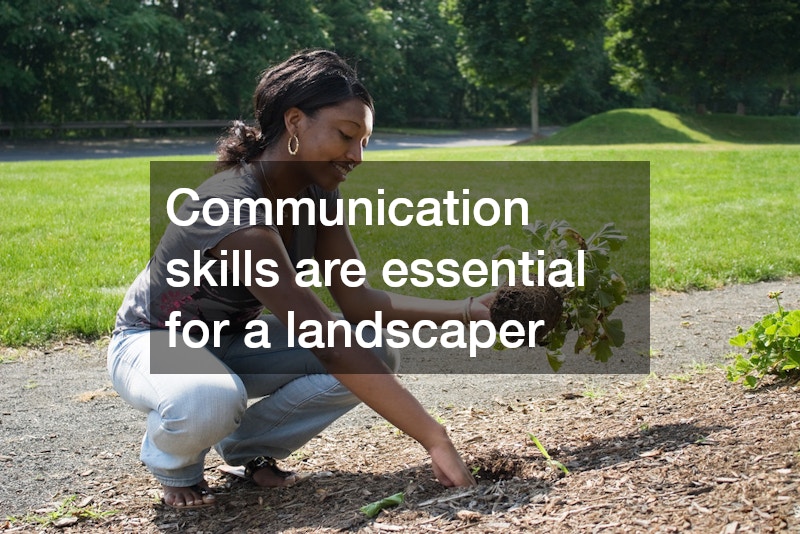
In addition to this, communication skills are essential for a landscaper. They must interact with clients to understand their vision while advising on feasible and sustainable choices. Clear communication ensures that landscapers can deliver a cohesive plan that aligns with a client’s budget, timeline, and expectations. A comprehensive understanding of these aspects defines an exceptional landscaper.
Essential Skills for Quality Landscaping
For those considering a career as a landscaper, developing a diverse skill set is crucial. One primary competency is proficiency in landscape design software, which helps in creating detailed plans and visualizing the project’s potential. Familiarity with tools like CAD (Computer-Aided Design) software allows landscapers to produce professional blueprints and proposals, thereby facilitating communication between clients and other stakeholders.
Another essential skill is plant knowledge. A good landscaper needs extensive knowledge of different types of plants, trees, and shrubs, including their growth patterns, light, and water requirements. This knowledge enables landscapers to choose plants that thrive in a given location, ensuring the longevity and health of the landscape. Such expertise is crucial to prevent common problems like pest infestations and plant disease.
In addition, practical skills are just as important. Landscapers must be adept at operating various tools and machinery, from hand tools to heavy equipment. Physical fitness also plays a role, as landscaping often involves strenuous tasks. Moreover, understanding landscape construction techniques and irrigation systems can greatly contribute to a landscaper’s versatility and marketability in the competitive field.
Creating and Maintaining Beautiful and Functional Spaces
A successful landscaper must possess a strong aesthetic sense alongside practical skills to craft spaces that are both beautiful and functional. Design principles such as balance, contrast, and unity guide landscapers in composing visually appealing sites. For example, using contrasting colors and textures can add depth to a landscape, while symmetry might create a more formal atmosphere.
Functionality is another cornerstone of good landscaping. It involves planning for the practical use of space, considering elements such as walkways, seating areas, and outdoor kitchens that accommodate a variety of activities. Landscapers must also integrate sustainable features like rain gardens or compost areas that foster environmental conservation while meeting user needs.
Maintenance is a critical part of a landscaper’s job to ensure these beautiful spaces stay pristine over time. Regular upkeep, such as mowing, pruning, and fertilizing, is essential to maintaining the health of the landscape. This routine care requires knowledge of seasonal changes and the specific requirements of various plants, ensuring longevity and continued appeal of the landscaped areas.
Adapting to Environmental Changes
As climate change impacts environments worldwide, landscapers must continually adapt to challenges like drought, changes in plant hardiness zones, and extreme weather events. To combat these issues, landscapers are incorporating more resilient plant varieties and innovative techniques like xeriscaping, which reduce water usage without compromising aesthetic appeal. Choosing native plants is another strategy that helps landscapers create sustainable ecosystems that naturally thrive in a given location.
In addition to selecting appropriate plant species, landscapers play a pivotal role in integrating advanced technologies and sustainable practices. These include implementing rainwater harvesting systems and using eco-friendly materials that reduce the carbon footprint of their projects. Staying informed about emerging trends in sustainable landscaping can position landscapers as leaders in environmental stewardship.
Continuous learning is vital for landscapers to stay current with environmental trends and regulations. They must keep abreast of new technologies and best practices to innovate in their designs. A good landscaper is one who values adaptability and embraces the idea of landscapes as dynamic, living ecosystems that require ongoing attention and care, all subject to the ever-changing environment.