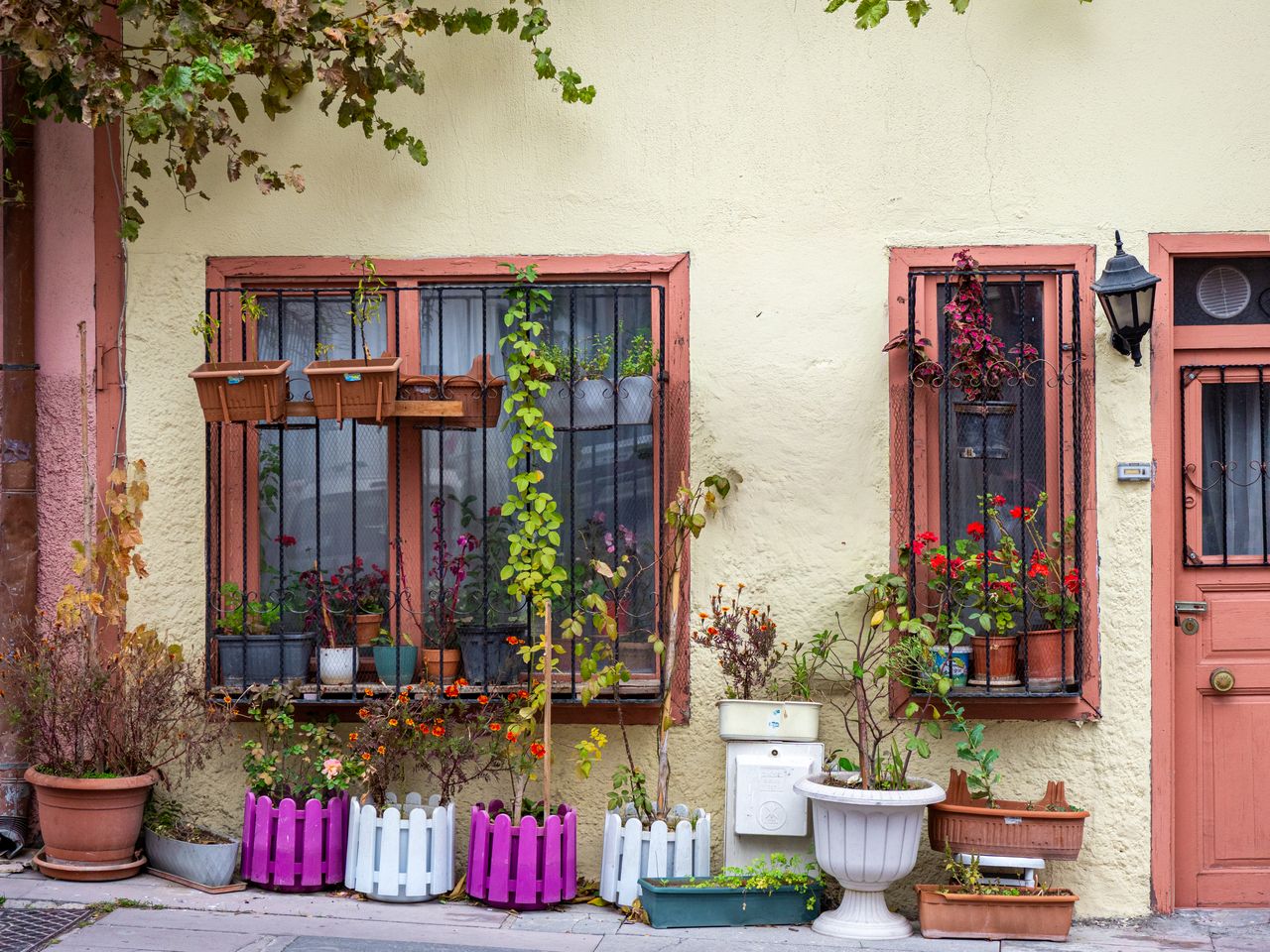
A balcony no wider than a park bench. A concrete patio behind a townhouse. A fire escape, a rooftop corner, or a sliver of side yard that gets just enough sun. These are the kinds of spaces millions of us call “outside,” and for a long time they were treated as unfit for growing anything more ambitious than a basil plant from the supermarket.
That assumption is wrong, and the research backs that up. With the right pots, the right soil depth, and a little understanding of how plants actually behave in confined root zones, a few square feet of open air can produce a surprising volume of food, flowers, and foliage. The trick is knowing what plants need and giving it to them in miniature.
This guide to container gardening walks through the science behind growing in pots, the yields you can realistically expect, the mistakes that trip people up, and the design choices that turn a cramped slab of concrete into something green, productive, and genuinely pleasant to spend time in.
Why Pots Can Outperform the Ground
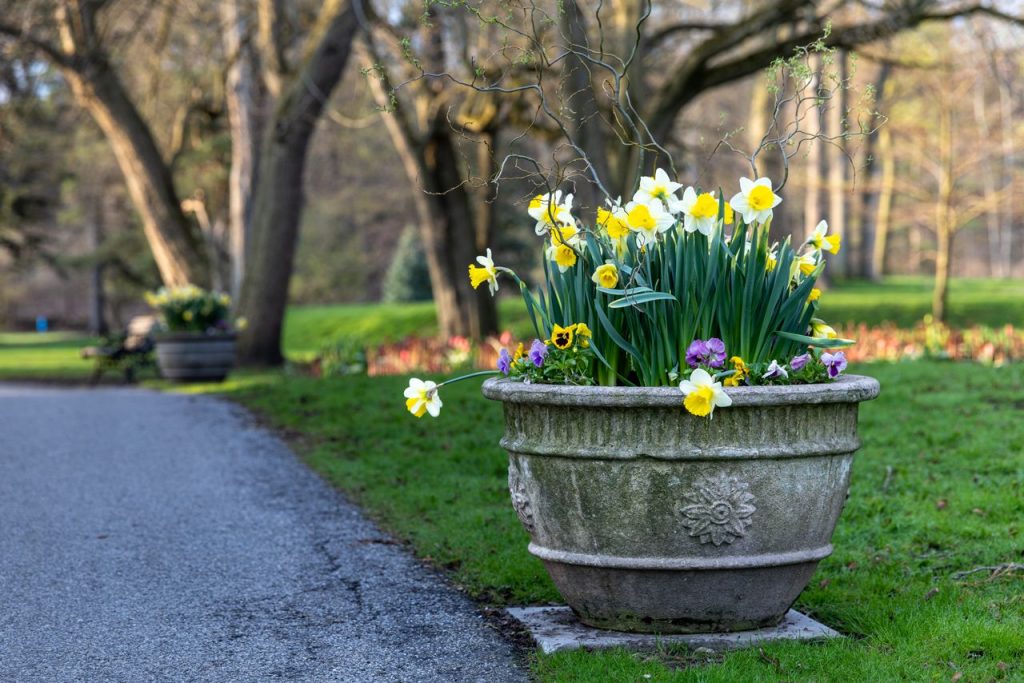
There’s a tempting assumption that a backyard bed will always beat a container. In many cases, the opposite is true. A pot sits above cold spring soil, so it warms faster. You control the drainage, the mix, the fertility, and the pests that reach it. You can move it to chase the sun or dodge a hailstorm. None of that is possible with a plot carved into the lawn.
The productivity numbers back this up. According to research published in PNAS, small-scale urban food production in Sydney outpaced the yields of conventional rural vegetable farms on a per-area basis. That kind of result doesn’t happen by accident. Intensive attention, careful watering, and dense planting in a small footprint can add up to an astonishing harvest.
And for anyone measuring expectations against a benchmark, research from the Ramsey Master Gardeners at the University of Minnesota Extension found that home growers typically bring in about one and a half pounds of produce per square foot of growing area. Scale that to even a modest ten-square-foot balcony setup and the math starts to look meaningful.
Choosing the Right Container for the Right Plant
Container size is the single most underestimated factor in small-space growing. A pot that’s too shallow forces roots to spiral, dry out, and stall. A pot that’s too deep wastes soil and water on empty volume. Matching the vessel to the plant is where successful growers separate themselves from frustrated ones.
Leafy greens like lettuce, spinach, and arugula are forgiving and happy in pots as shallow as six inches. Herbs such as basil, parsley, and cilantro want a little more room, around eight inches deep. Root crops and fruiting plants are a different story. According to the University of New Hampshire Extension, most tomato varieties need a container of at least five gallons to produce well. Skimp on that and you’ll get a leggy plant with a handful of disappointing fruit.
Here’s a rough guide to pot sizing for common edibles:
- Lettuce, spinach, radishes: 6 to 8 inches deep
- Basil, parsley, chives, cilantro: 8 to 10 inches deep
- Peppers, bush beans, chard: 2 to 3 gallon pots
- Tomatoes, eggplant, zucchini: 5 gallons minimum
- Dwarf fruit trees or perennial shrubs: 15 to 20 gallons
Material matters too. Terracotta breathes and keeps roots cooler but dries out fast. Glazed ceramic holds moisture longer. Fabric grow bags prune roots naturally through air exposure, producing healthier root systems. Plastic is light, cheap, and fine, but dark colors can cook roots on a hot south-facing balcony.
Making Vertical Space Earn Its Keep
When the floor is full, the only direction left is up. Walls, railings, and overhead beams are underused real estate in nearly every small outdoor space, and treating them as growing surfaces can double or triple what you harvest.
Trellises let cucumbers, pole beans, and snap peas climb instead of sprawl. Wall-mounted pockets, repurposed shoe organizers, and tiered plant stands turn a flat vertical plane into a productive one. Even a simple hook under a balcony ceiling can support a hanging basket of strawberries or trailing cherry tomatoes.
Smart Design for Shallow Patios and Balconies
If you want a tight outdoor zone to feel bigger, think in layers. Low herbs in front, mid-height peppers behind them, climbers along the back wall. This staircase arrangement does two things at once: it gives every plant access to light, and it tricks the eye into reading the space as deep rather than cramped. A mirror mounted on an exterior wall, used sparingly, can push the illusion further.
Soil, Water, and the Science of Confined Roots
A plant in a pot lives in an artificial environment, and understanding that is the difference between a thriving container and a struggling one. Garden soil, scooped straight from the ground, compacts in pots and suffocates roots. A proper potting mix is light, holds moisture without going soggy, and is usually built from peat or coir, perlite, and compost.
Watering is where most new container gardeners stumble. Small pots can dry out in a single hot afternoon, while big pots stay wet for days. The finger test, pushing a knuckle into the soil, beats any schedule. Water deeply until it runs from the drainage holes, then let the top inch dry before watering again. Shallow sips encourage shallow roots and weaker plants.
Nutrition is the other half of the equation. Because every watering flushes some fertility out the bottom, container plants need regular feeding:
- A slow-release granular fertilizer mixed into the soil at planting
- Liquid feed every two to three weeks during active growth
- Compost or worm castings added as a top dressing monthly
- Occasional micronutrient sprays for long-season fruiting crops
Skip the feeding and you’ll see pale leaves, stalled growth, and tiny harvests by midsummer.
Thinking Beyond Vegetables in a Small Outdoor Design
Edibles get the headlines, but a container setup earns its keep in other ways too. Pollinator-friendly flowers draw bees and butterflies that improve fruit set on your tomatoes and peppers. Evergreen dwarf conifers add winter structure. Fragrant plants like lavender or jasmine turn a patio into a sensory space rather than just a utility one.
Blending Edible and Ornamental Landscaping Ideas
Landscaping on a balcony or a tiny patio is really an exercise in curation. You don’t have room for everything, so each pot has to pull its weight visually as well as productively. Mixing chard, with its ruby stems, alongside trailing nasturtiums and a clipped bay laurel gives you food, color, and form in a single planter. A well-planned container arrangement reads as intentional design rather than a random collection of pots.
Perennials in large containers extend what your space can do, but they need winter planning. The New York Botanical Garden recommends that for over-wintering outdoors in the New York region, containers should be at least fourteen inches across and equally deep to insulate roots from freeze damage. Smaller pots can be moved into a garage or sheltered corner, but anything meant to stay out needs that minimum mass.
Common Mistakes and How to Dodge Them
Even motivated growers run into the same handful of problems. Overcrowding is first on the list. A six-inch pot stuffed with three tomato seedlings looks promising in May and collapses by July, when the roots have nowhere to go and the plants are competing for every drop of water. One plant per appropriately sized container almost always beats three crammed together.
Drainage is the second trap. A pot without holes is a bathtub, and roots left sitting in water rot within days. If you fall in love with a decorative vessel that has no openings, drill them yourself or use it as a cachepot with a functional nursery pot slipped inside.
Sun misjudgment is the third. “Full sun” on a seed packet means six to eight hours of direct light, not a bright shady corner. Spend a Saturday tracking where the sun actually lands on your space, hour by hour, before you commit to where pots live. South and west exposures handle fruiting crops. East-facing spots suit greens and herbs. North-facing balconies can still grow ferns, mint, and shade-tolerant ornamentals, but tomatoes will sulk.
A few more pitfalls worth naming:
- Using last year’s exhausted potting mix without refreshing it
- Letting saucers collect standing water that breeds mosquitoes and rots roots
- Ignoring wind, which desiccates balcony plants faster than heat does
- Planting cool-season crops like lettuce in July and wondering why they bolt
- Forgetting that dark pots on a sunny deck can hit internal temperatures that cook roots
Stretching the Season in a Small Footprint
One of the quiet advantages of growing in pots is mobility, and that mobility translates directly into a longer harvest window. A tray of seedlings started indoors in March can move out onto a sunny step in April, retreat under cover during a late frost, and settle into their final position by May. In autumn, the same portability lets you drag tender plants closer to a warm wall or into a sheltered nook when the first cold nights arrive.
Cold frames and cloches scaled down for containers extend things further. A clear plastic storage bin flipped over a pot of spinach acts as a miniature greenhouse through November in many climates. Row cover fabric draped over a tomato cage buys an extra two or three weeks on either end of the growing season. These are the kinds of thoughtful upgrades that pair well with other tight-footprint improvement projects homeowners take on when every square foot has to count.
Succession planting is the other half of the puzzle. Rather than filling a pot once in spring and letting it coast, pull spent lettuce in June and replace it with bush beans, then follow those with a fall crop of kale. A single container can produce three distinct harvests in a year if you plan the rotation.
Winter Interest Without a Greenhouse
Cold months don’t have to mean bare pots. Dwarf evergreens, ornamental cabbages, winterberry holly, and hellebores all hold up in containers through freezing weather, provided the pot is large enough to buffer the roots. Bundle smaller vessels together against a sheltered wall and wrap the group in burlap for extra insulation. The visual payoff is a space that still feels alive in February, not a graveyard of empty terracotta.
Tools and Accessories That Actually Help
The container-growing industry sells a lot of gadgets, and most of them are optional. A short list of things that genuinely earn their place:
- A long-spouted watering can that reaches the back of a crowded arrangement
- Self-watering reservoirs or wicking inserts for pots that dry out too fast
- A moisture meter for anyone who travels or struggles to read soil by touch
- Pot feet or risers to lift containers off a deck surface and improve drainage
- A compact pair of bypass pruners for deadheading and harvesting
Drip irrigation on a simple battery timer is the single best upgrade for anyone managing more than a handful of pots. A twenty-dollar kit from a hardware store can keep a balcony alive through a week-long vacation and takes the guesswork out of daily watering during a heat wave.
Conclusion
A few pots on a slab of concrete will never be mistaken for an acre in the country, and they don’t need to be. The point of container gardening in a confined outdoor space isn’t to replicate a farm. It’s to prove that limitations, taken seriously, produce their own kind of abundance. The pepper you picked that morning, the basil you tore into a plate of pasta, the hummingbird that found your salvia on the fifth floor: these are the returns, and they add up quickly once you stop apologizing for the size of your plot.
The practical lessons are straightforward. Match pot size to plant. Use real potting mix, not dirt from the yard. Water deeply, feed regularly, and watch the sun before you commit. Build upward when the floor fills, rotate crops through the seasons, and let a few ornamentals share space with the edibles so the whole arrangement feels like a place rather than a project.
Start with three pots this spring. A tomato in a five-gallon, a mixed herb planter, and something flowering to pull in pollinators. Pay attention to what thrives and what struggles, and let next year’s setup grow from what this year taught you. Small outdoor spaces reward patience and observation more than ambition, and the growers who lean into that end up with more food, more color, and more reason to step outside than they ever expected.