Historically, homeowners have approached exterior renovations through a purely cosmetic lens. Fresh paint, manicured hedges, and symmetrical flowerbeds are typically chosen to impress passersby or boost resale value rather than improve daily life. Yet when you step out your back door on a warm Saturday afternoon, aesthetic appeal alone does not make a space inviting. If the ground underfoot feels uneven, the afternoon sun feels relentless, or the seating leaves your lower back aching after twenty minutes, that expensive yard remains largely unused. True comfort requires shifting your perspective and treating the outside of your property as an authentic extension of your interior floor plan, designed around how you actually live, relax, and gather with family and friends.
Creating an outdoor environment that draws you outside morning, noon, and night comes down to solving practical physical friction points. Temperature regulation, ergonomic support, glare-free visibility after sunset, wind protection, and effortless foot traffic all shape how relaxing a yard actually feels. When these foundational elements work together, stepping outside feels just as restorative as sinking into your favorite living room sofa. By addressing surface stability, spatial layout, structural safety, evening ambiance, and natural climate control in a coordinated way, any underutilized yard can become a deeply comfortable sanctuary built for everyday living across every season.
Create Smooth, Trip-Free Walkways and Ground-Level Lounging Zones
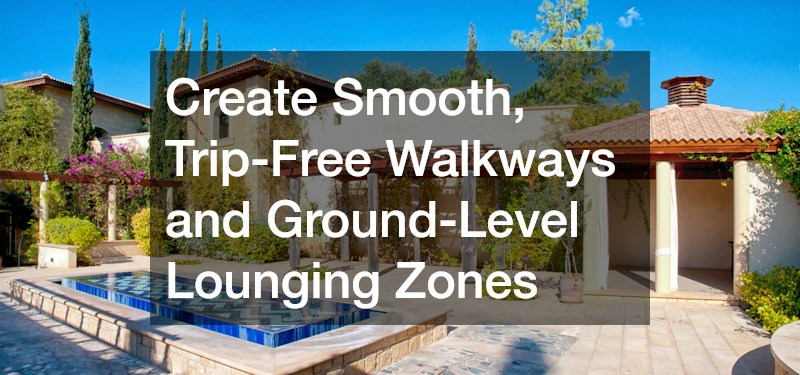
Comfort outdoors starts the moment your foot crosses the threshold. If moving from your kitchen door to a backyard seating area requires navigating soggy grass, shifting gravel, or cracked concrete slabs, people subconsciously avoid using the space. Establishing smooth, predictable ground surfaces removes that subtle physical hesitation and makes carrying trays of food, pushing strollers, or walking barefoot effortless. Thoughtful planning also defines distinct zones for dining, lounging, and grilling without needing walls or fences. When surfaces are level, slip-resistant, and pitched for water runoff, your exterior remains accessible even shortly after a summer rainstorm.
- Map intuitive circulation routes across the yard: Connect primary exit doors, side gates, cooking areas, and seating zones with continuous walkways measuring 36 to 48 inches wide so two people can walk together comfortably without brushing against wet foliage.
- Prioritize cool, slip-resistant surface textures: Selecting light-toned, finely textured patio pavers prevents excessive heat absorption during peak afternoon sun while offering reliable traction for wet feet and sturdy stability for dining chairs and side tables.
- Build subtle drainage slopes into every hardscape: Ensure lounging zones pitch roughly a quarter-inch per foot away from your foundation so rainwater drains cleanly into surrounding garden beds rather than pooling near doorways.
- Lock joints with polymeric sand: Filling the narrow gaps between stones with high-grade polymeric sand prevents weeds and ants from sprouting underfoot while keeping furniture glides and rolling carts from catching on uneven seams.
Beyond the backyard lounge itself, the transition from your front driveway to your side paths plays a major role in usability. Heaving asphalt, sunken concrete aprons, and crumbling edges create tripping hazards and make rolling bins, bicycles, or heavy coolers unnecessarily difficult. Investing in professional residential paving to resurface worn driveways, widen tight parking areas, or smooth abrupt elevation changes establishes a cohesive, accessible foundation across the entire property. Once the ground beneath you is level, durable, and thoughtfully connected, every other comfort upgrade you add performs noticeably better.
Sculpt Sloped Yards into Level, Sheltered Conversation Nooks

Flat, wide-open yards are surprisingly rare, and even a gentle grade can undermine outdoor comfort the moment you sit down. On a sloped lot, chairs feel tilted, tables wobble, rainwater washes mulch across seating areas, and gusty winds sweep unimpeded across exposed lawns. Instead of fighting natural topography or abandoning hillside square footage, you can sculpt uneven terrain into intimate, tiered outdoor rooms. Breaking a large slope into distinct horizontal terraces creates a sense of enclosure that mirrors indoor living spaces, while shielding guests from prevailing breezes, street noise, and neighboring sightlines.
- Carve flat living platforms out of steep grades: Strategically placed retaining walls allow you to convert awkward inclines into level terraces dedicated to specific activities, such as an upper dining terrace near the kitchen and a lower fire pit lounge.
- Incorporate proper drainage behind structural stonework: Always pair earth-retention systems with crushed gravel backfill, filter fabric, and perforated drain pipes so hydrostatic pressure never pushes stones out of alignment during heavy rainstorms or seasonal temperature swings.
- Design ergonomic perimeter seating into stone borders: Low stone seat walls built 18 to 20 inches high and at least 16 inches deep double as protective windbreaks around fire features and provide overflow seating for larger gatherings without cluttering the patio.
- Layer soft textiles over architectural stone surfaces: Top hard stone seating ledges with custom cushions made from durable acrylic fabrics and quick-dry foam so guests enjoy deep warmth rather than sitting directly on cold or sun-heated stone.
Working with an experienced masonry contractor ensures that these structural terraces and built-in seating features are engineered for decades of stability while complementing your home’s existing brick, stucco, or siding. Beyond structural support, custom stonework introduces natural thermal mass that absorbs warmth during sunny afternoons and radiates gentle heat back into your conversation nook after sunset. You can also integrate built-in planters along terraced walls to bring fragrant herbs and trailing greenery to eye level, softening hard architectural lines and enhancing acoustic privacy. The result is an inviting, sheltered alcove that feels grounded and remarkably comfortable.
Reinforce Elevated Platforms and Front Entrances for Effortless Lounging
Elevated outdoor living spaces—whether a classic front entry or a raised backyard platform—offer wonderful airflow and scenic views, yet they only feel truly relaxing when the structure underneath feels solid. A subtle bounce in the floorboards, raised nail heads, or rough, splintering wood immediately triggers physical caution rather than relaxation. Over time, seasonal moisture, ultraviolet exposure, and temperature swings loosen fasteners, warp planks, and weaken structural connections. Restoring structural integrity and upgrading tactile surfaces transforms a neglected elevated platform into a welcoming extension of your main living floor where family members naturally gravitate throughout the week.
- Address structural wear and surface splinters early: Scheduling comprehensive deck services to inspect ledger attachments, reinforce aging joists, and resurface weathered planks with smooth composite or capped polymer boards eliminates annual sanding while creating a uniform floor underfoot.
- Modernize perimeter barriers without sacrificing openness: Replacing bulky, rotting wood balusters with sleek porch railings made from slim powder-coated aluminum, stainless steel cable, or tempered glass keeps children and pets secure while preserving cooling breezes and scenic sightlines.
- Integrate space-saving perimeter benches with hidden storage: Framing built-in seating along one edge of a narrow front entry or elevated platform maximizes central floor area for smooth foot traffic while offering concealed weatherproof storage for throw blankets and cushions.
- Control harsh afternoon sun with overhead shade solutions: Installing a louvered pergola, retractable fabric awning, or outdoor ceiling fan reduces radiant heat buildup on upper platforms and keeps air circulating gently even on still, humid summer afternoons.
Paying close attention to airflow, shade, and tactile comfort on elevated structures turns exposed platforms into genuine retreats. You can hang sheer, weather-resistant outdoor curtains along sunny openings to filter blinding afternoon glare without blocking refreshing breezes, or install subtle rail ledges that hold coffee mugs and wine glasses without taking up floor space. When solid, smooth flooring is paired with unobstructed views, ergonomic seating, and reliable overhead shade, your front entrance or raised rear platform quickly becomes the most sought-after spot in the house for quiet morning coffee or evening conversations.
Layer Warm Evening Illumination and Restore Deep-Seated Lounging Gear
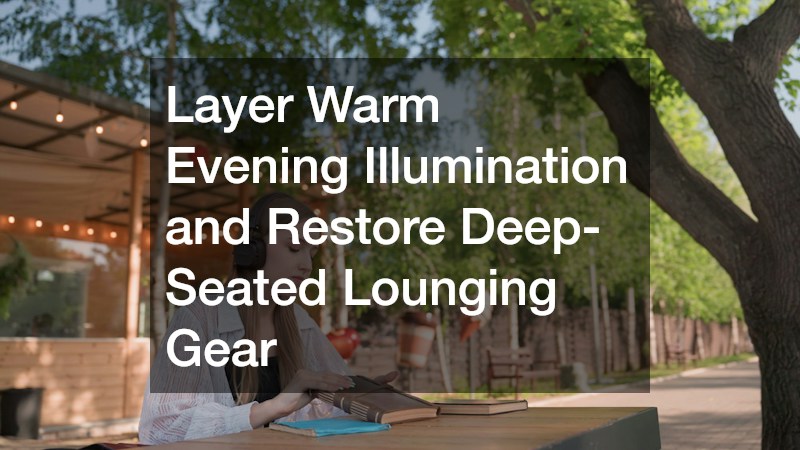
Many homeowners retreat indoors the moment dusk settles, not because the temperature drops, but because their exterior lighting is either absent or harsh and blinding. A single bright floodlight mounted under the eaves casts stark shadows, creates uncomfortable eye strain, and attracts swarms of insects directly toward your seating area. True evening comfort relies on layered illumination that mimics the warmth of indoor table lamps while gently guiding foot traffic along steps, grade changes, and pathways. Pairing thoughtful lighting with supportive, ergonomically restored seating allows your exterior spaces to shine well into the night.
- Balance ambient, task, and pathway light sources: Partnering with professional outdoor lighting services helps you design a low-voltage layout featuring warm 2700K to 3000K bulbs, downward-shielded grill and dining lights, subtle step markers, and dimmable zones controlled from your smartphone.
- Revive quality frames instead of buying flimsy replacements: Rather than discarding sturdy cast-aluminum, wrought-iron, or woven frames with sagging seats, specialized patio furniture repair can replace stretched vinyl straps, restring damaged wicker, refinish oxidized metal, and swap flattened cushions for supportive outdoor foam.
- Arrange chairs for effortless conversation: Position deep lounge chairs and outdoor sofas in cohesive circular or U-shaped groupings spaced four to eight feet apart over a textured outdoor rug so guests can speak naturally without leaning forward or raising their voices.
- Incorporate portable accent glow for intimate flexibility: Place cordless, rechargeable table lanterns or warm LED candles on coffee and side tables so you can adjust light levels right at eye level without running extension cords across walkways or creating trip hazards.
Paying attention to both visual comfort and physical ergonomics transforms how long people linger outside after dinner. Soft pools of warm light eliminate dark corners and make uneven transitions easy to spot without breaking the tranquil evening mood or disturbing neighbors. Meanwhile, supportive cushions with proper lumbar depth, plush headrests, and freshly tensioned seat slings prevent the restless shifting and lower-back stiffness that often cut outdoor gatherings short. When your seating cradles you as comfortably as an indoor armchair and the lighting wraps the yard in a golden glow, staying outside late becomes effortless.
Harness Natural Canopy Shade and Automate Yard Hydration

Hardscaping and furniture provide structure, but living landscape elements are what actively regulate your yard’s microclimate. Unshaded stone and concrete absorb solar radiation all afternoon and radiate stored heat back toward your seating areas for hours, whereas healthy turf, shrubs, and mature trees naturally cool the surrounding air through shade and evapotranspiration. However, overgrown branches can block cooling breezes and trap stifling humidity, while parched, struggling plants leave a yard looking dusty and feeling noticeably hotter. Managing your trees and automating plant hydration keeps your outdoor sanctuary cool, lush, and free from tedious daily chores.
- Open dense canopies for airflow and dappled shade: Hiring a certified tree service provider for selective crown thinning and deadwood removal allows refreshing breezes to circulate through your yard, filters harsh midday sun into dappled light, and eliminates overhanging storm-damaged limbs above seating areas.
- Eliminate manual watering chores with smart zones: Modern irrigation system installations equipped with smart controllers, drip lines for container planters, and targeted rotor heads keep grass and garden beds hydrated overnight so walkways stay dry and lush greenery lowers ambient yard temperatures.
- Border seating zones with fragrant, sensory plantings: Framing lounge perimeters with lavender, rosemary, ornamental grasses, and scented geraniums adds soft visual movement in the wind, releases calming fragrance when brushed, and helps deter mosquitoes naturally without chemical sprays.
- Add dense evergreen screens along noisy property lines: Planting staggered rows of hardy evergreen shrubs or bamboo in raised planters absorbs ambient street noise, blocks harsh winter winds, and creates a lush green backdrop that makes your yard feel secluded and tranquil.
When living shade and automated hydration work in harmony, maintaining a comfortable outdoor retreat stops feeling like a second job. You no longer have to drag heavy hoses across walkways before guests arrive, scrub sticky tree sap off tabletops, or retreat indoors because the afternoon sun feels oppressive beneath an unpruned canopy. Instead, your landscape actively cools the air by several degrees, frames your seating zones in healthy greenery, and operates quietly in the background while you simply relax and enjoy the space.
Revamping your home’s exterior for maximum comfort does not require demolishing your entire yard or completing every project in a single weekend. The most successful transformations begin with simple, honest observation. Spend a full day stepping outside at morning, afternoon, and dusk with a notepad to pinpoint the physical friction points that push you back indoors—whether that means scorching sun on the back steps, wobbly chairs on uneven ground, blinding evening glare, or a sloped lawn lacking a level place to gather.
By prioritizing foundational improvements first—such as smooth walkways, terraced seating nooks, sturdy elevated platforms, warm layered lighting, and healthy canopy shade—each upgrade builds naturally on the last. Taking a phased approach also lets you experience how each change improves the way your family uses the yard before moving forward. When every surface underfoot feels secure, every seat offers genuine ergonomic support, and the surrounding landscape tempers heat and wind, your exterior stops being mere scenery viewed through a window. It becomes a welcoming living room under the open sky that enriches your daily routine across every season.